
Sustainable raw materials
Rubberwood, eucalyptus, and processing residues from managed artificial economic forests. No natural forest logging is involved.
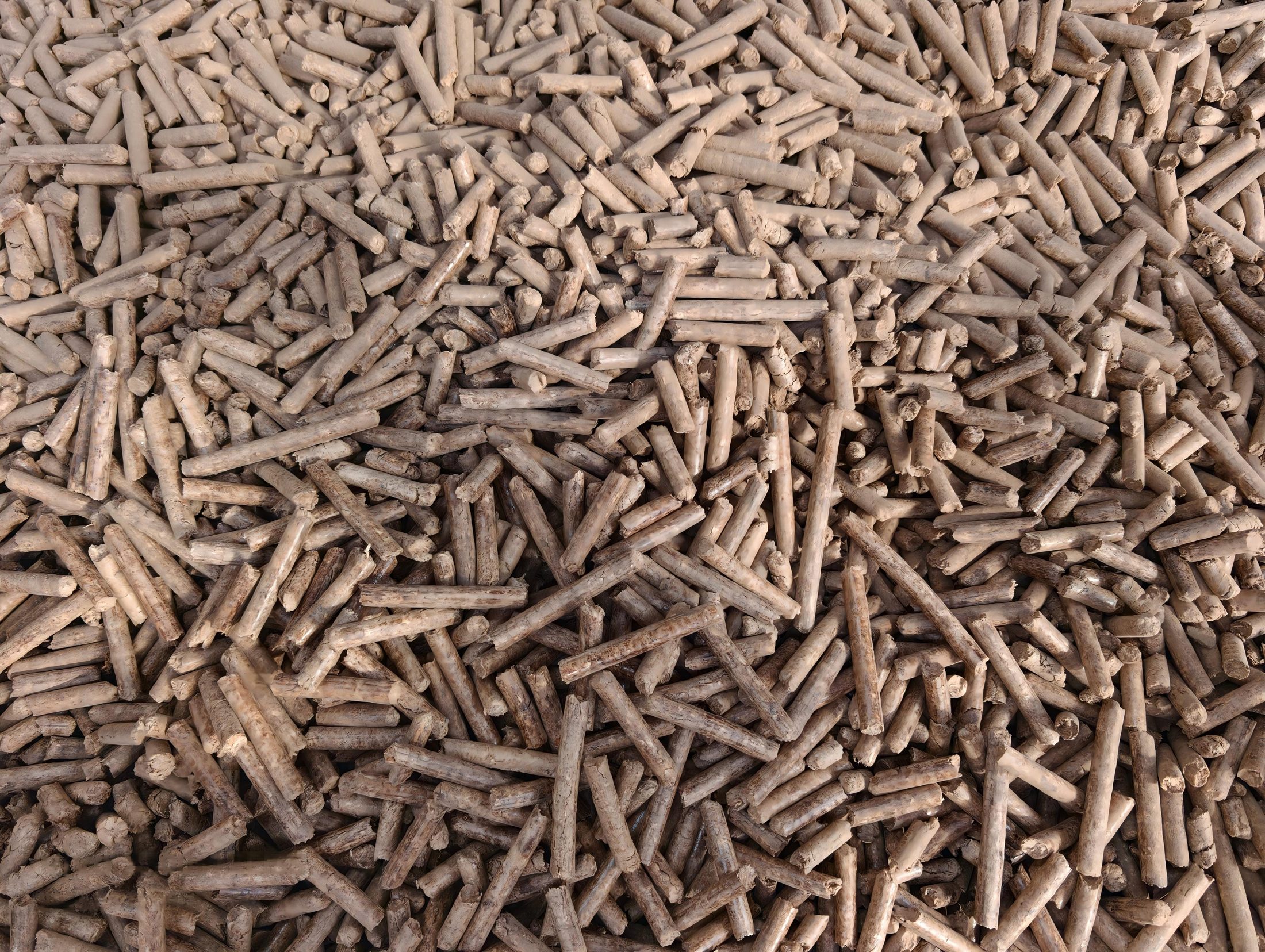
Premium rubberwood and forestry-residue pellets for industrial boilers, heating plants, and biomass power generation across Europe, Japan, Korea, and Southeast Asia.
Yinuoda operates its own production base in Hainan, not a third-party sourcing desk. From raw-material handling to pelletizing and packaging, every stage is managed in-house so you receive the same controlled fuel specification from one shipment to the next.
The facility traces its production experience back to a base operating in Foshan, Guangdong, since 2010. The current Hainan plant was relocated, expanded, and upgraded to combine stable local raw-material supply with better access to export logistics.
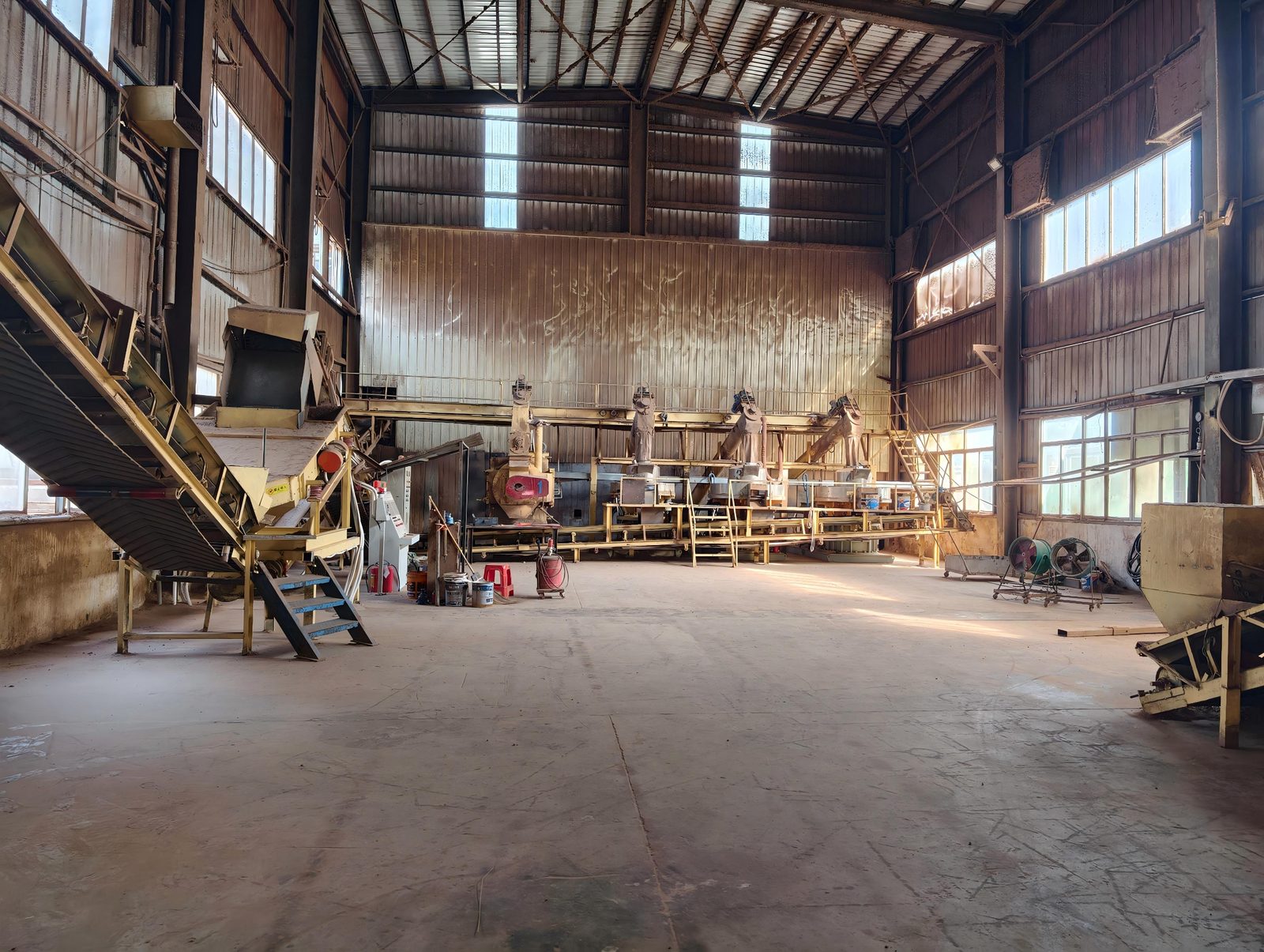
Pelletizing area at the Hainan production facility
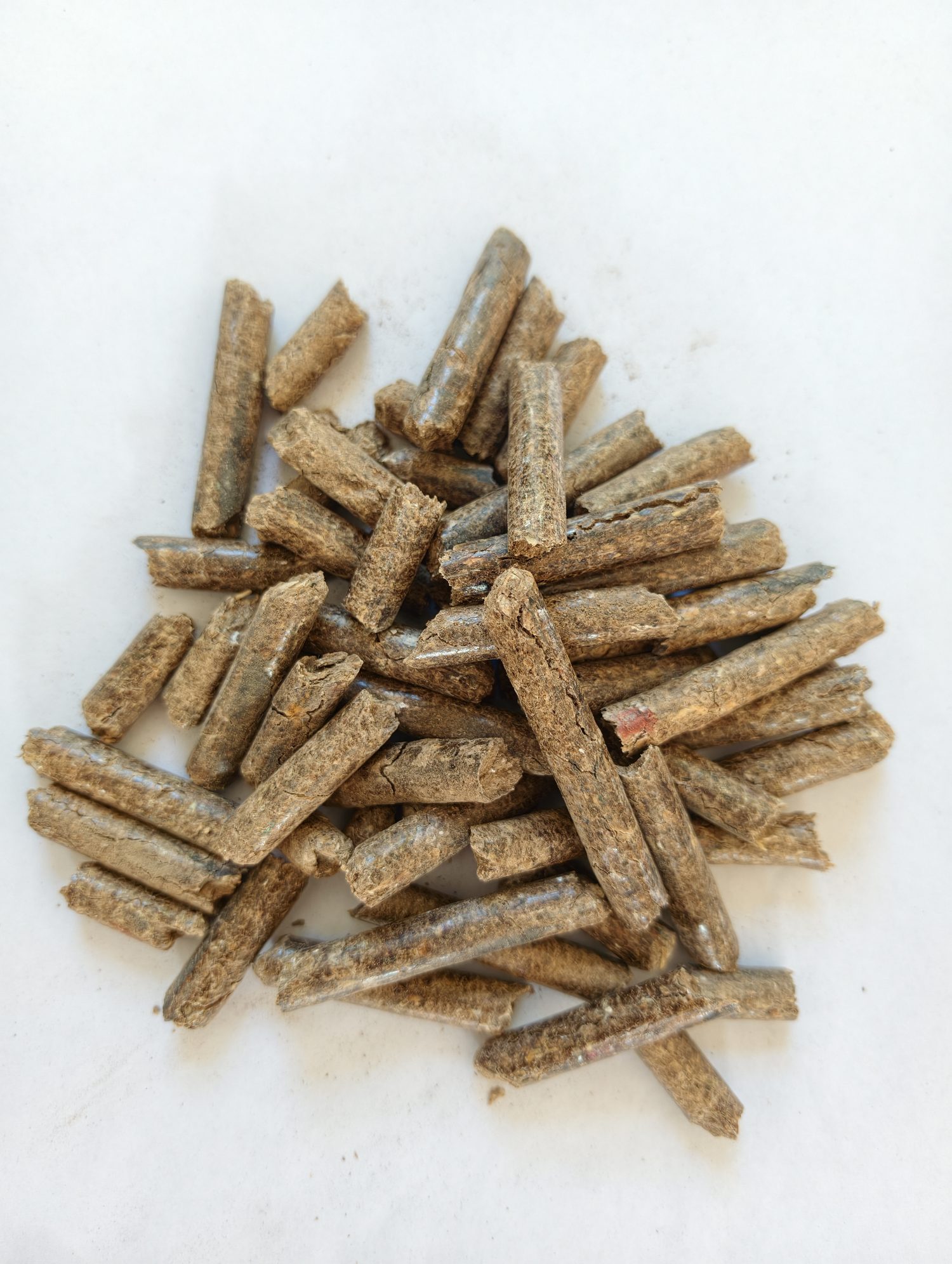
Three product grades are available, so procurement teams can match fuel quality to their boiler requirements, operating budget, and market certification needs.
Rubberwood, eucalyptus, and processing residues from managed artificial economic forests. No natural forest logging is involved.
Grade A rubberwood pellets reach 18.5 MJ/kg, offering predictable heat output for industrial and commercial combustion systems.
Factory-direct production, three clear grades, flexible packaging, and international shipping support for bulk and container orders.
Four automated lines and in-house process control keep particle size, density, and moisture consistent across production batches.
Forestry by-products become a low-carbon fuel, turning material that would otherwise be discarded into usable industrial energy.
Product documentation and certification support can be aligned with ENplus, FSC, and FIT/FIP requirements for your target market.
Grade A is built for performance-focused buyers, Grade B balances quality and cost for industrial operations, and Grade C provides a larger-scale fuel option for regional or utility demand.
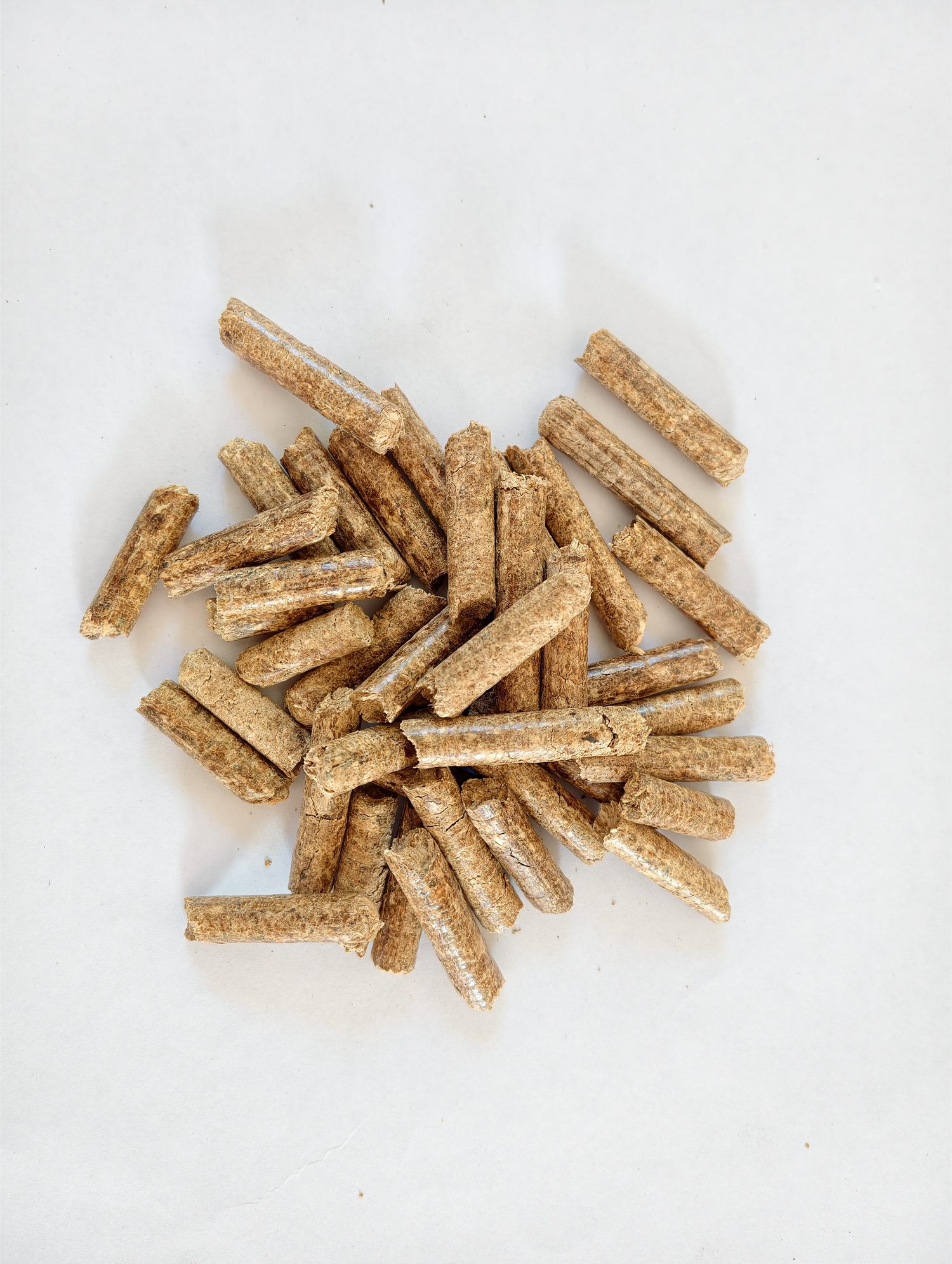 Grade A
High-energy rubberwood fuel for industrial boilers, steam generation, and performance-sensitive heating applications.
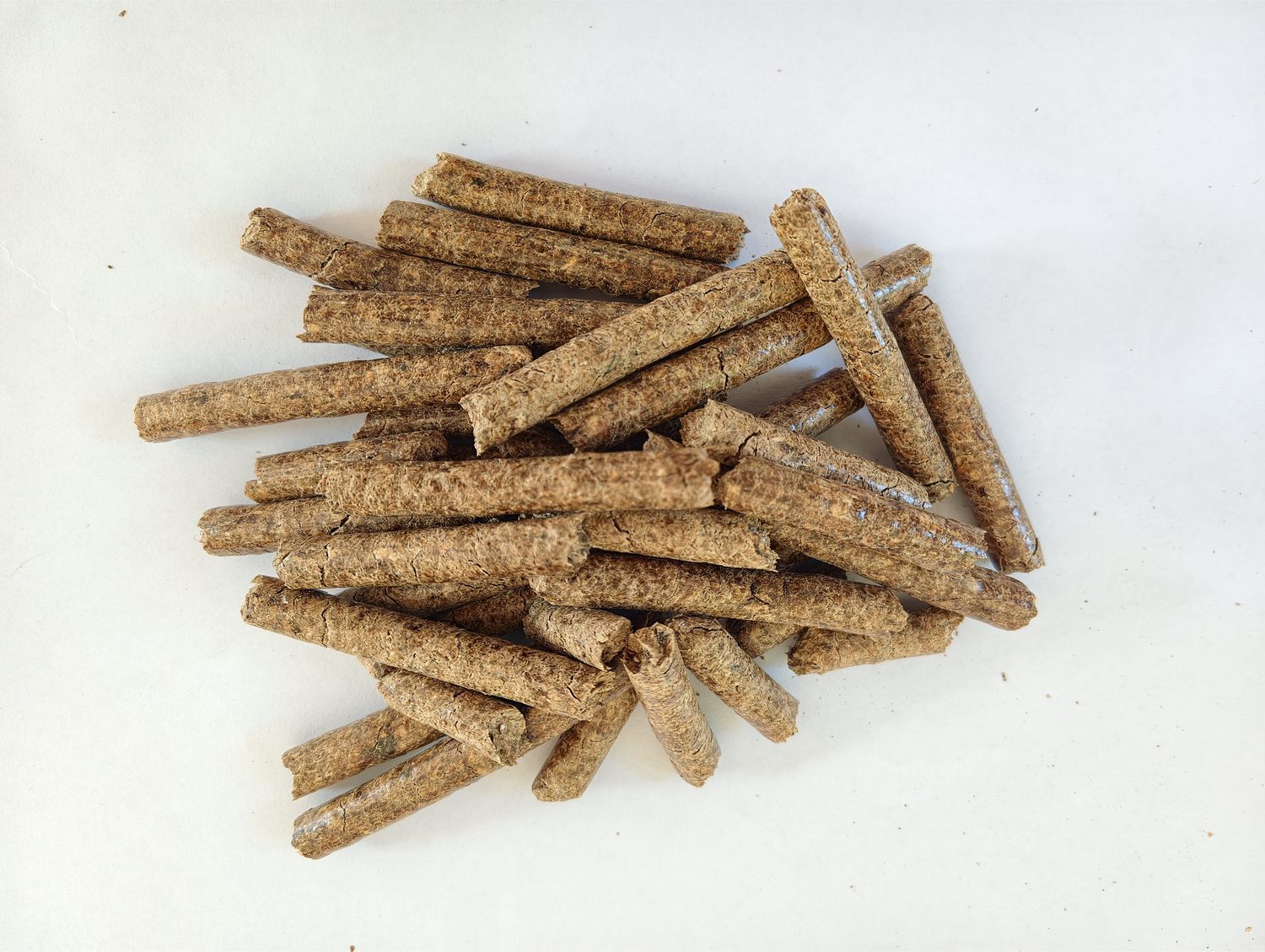 Grade B
A workhorse fuel for steam boilers, heating plants, drying lines, and other continuous industrial loads.
 Grade C
Cost-efficient mixed-timber and forestry-residue fuel for large-scale industrial and regional heating demand.
Keeping the full process in-house reduces handoffs, limits variability, and makes the final product easier to audit.
Raw timber is prepared for clean downstream processing.
Material is reduced to a uniform chip size.
Chips are broken down for further refinement.
Feedstock is milled to the target particle profile.
Moisture is controlled before pellet formation.
Material is compressed into dense 8 mm pellets.
Fuel is cooled, screened, and prepared for dispatch.
A look at the Hainan facility: raw-material intake, crushing, drying, pelletizing, and finished-product storage.
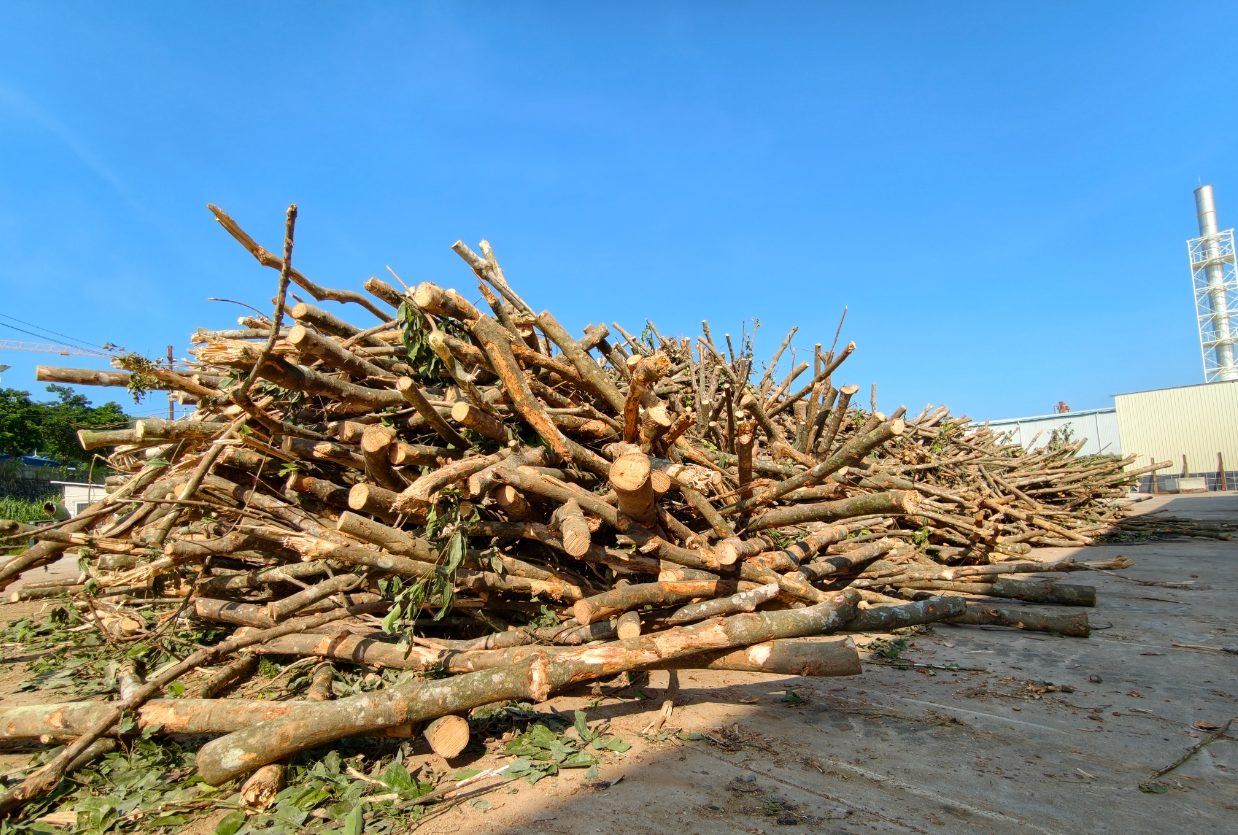
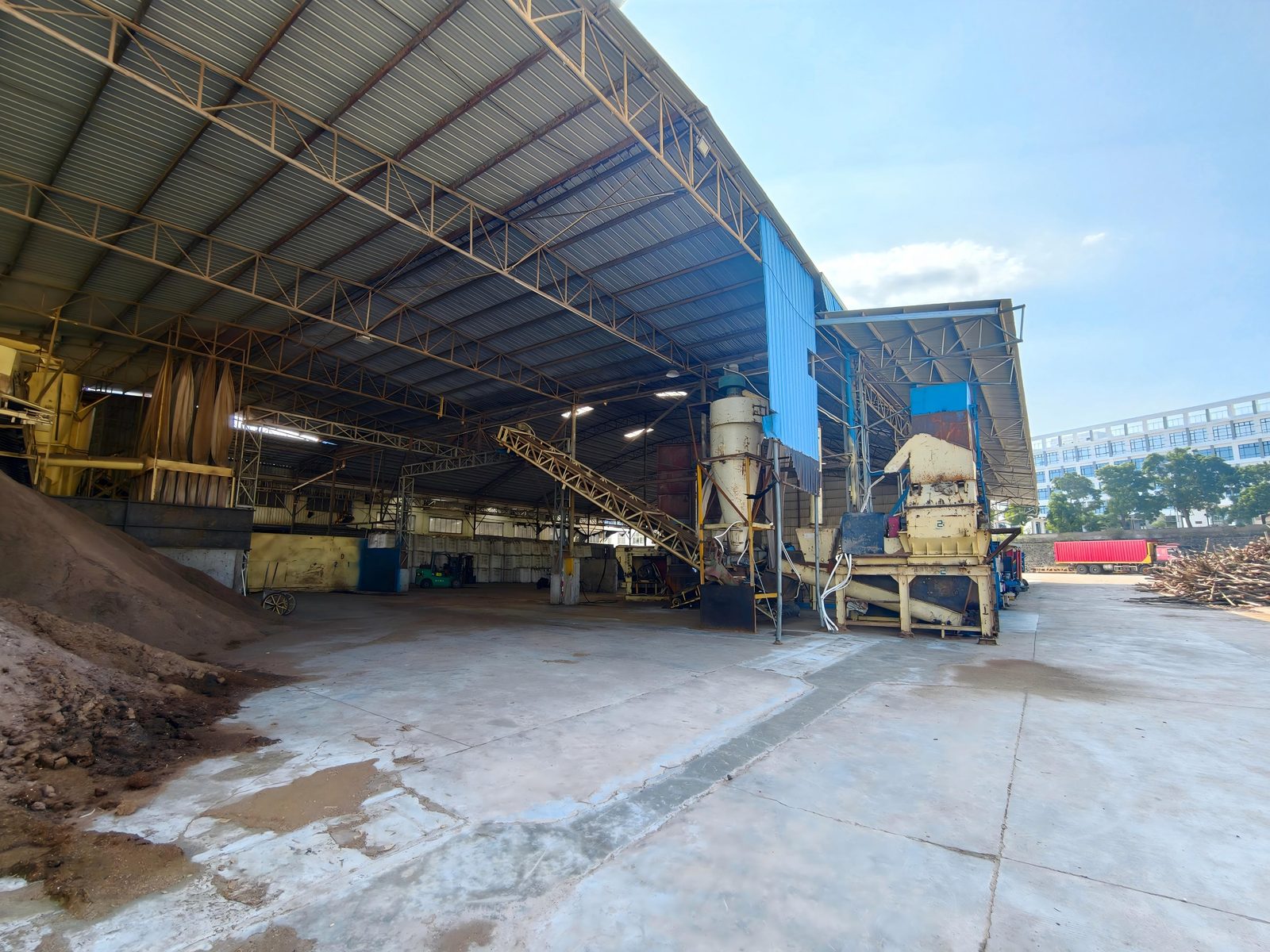
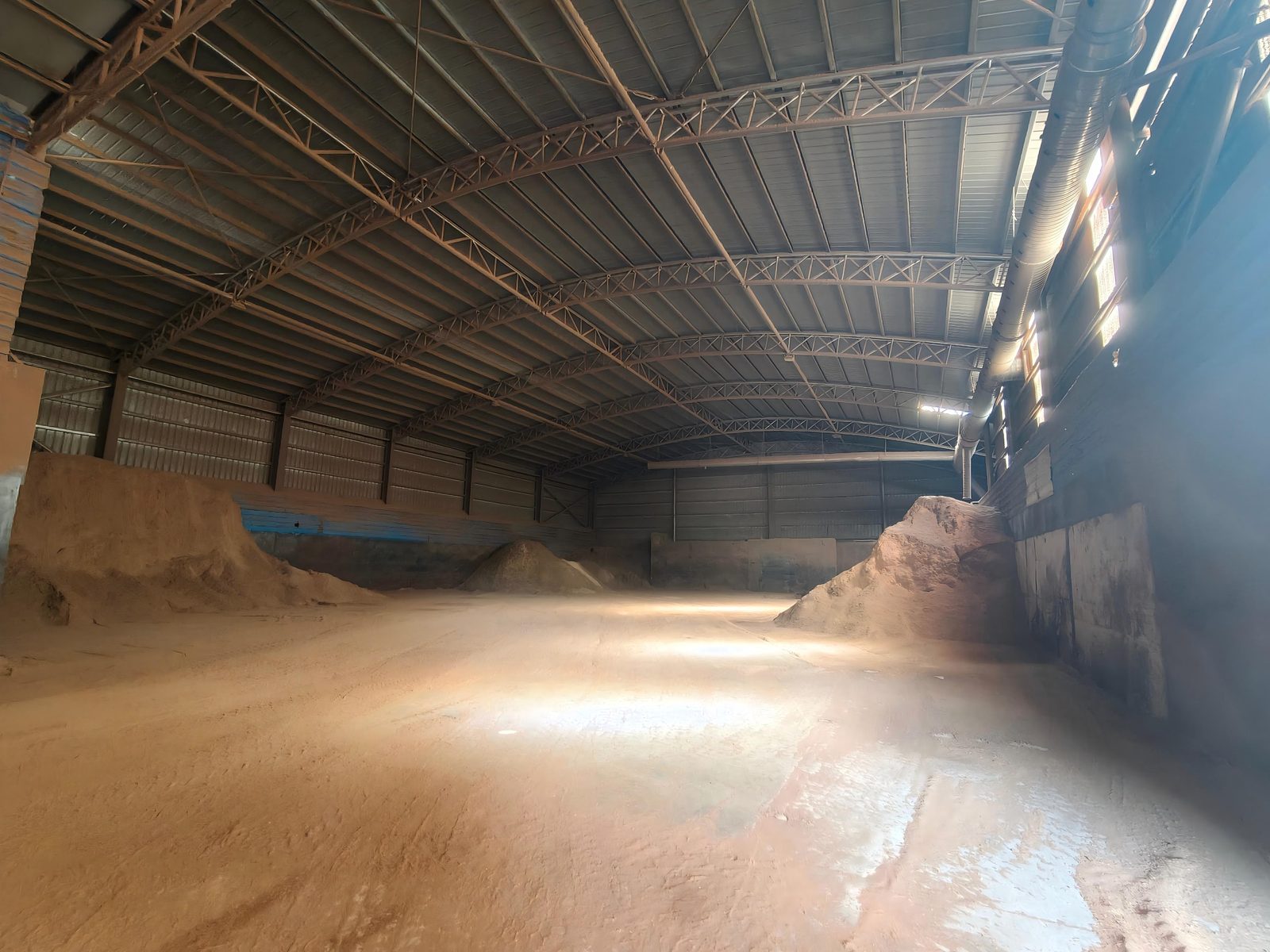
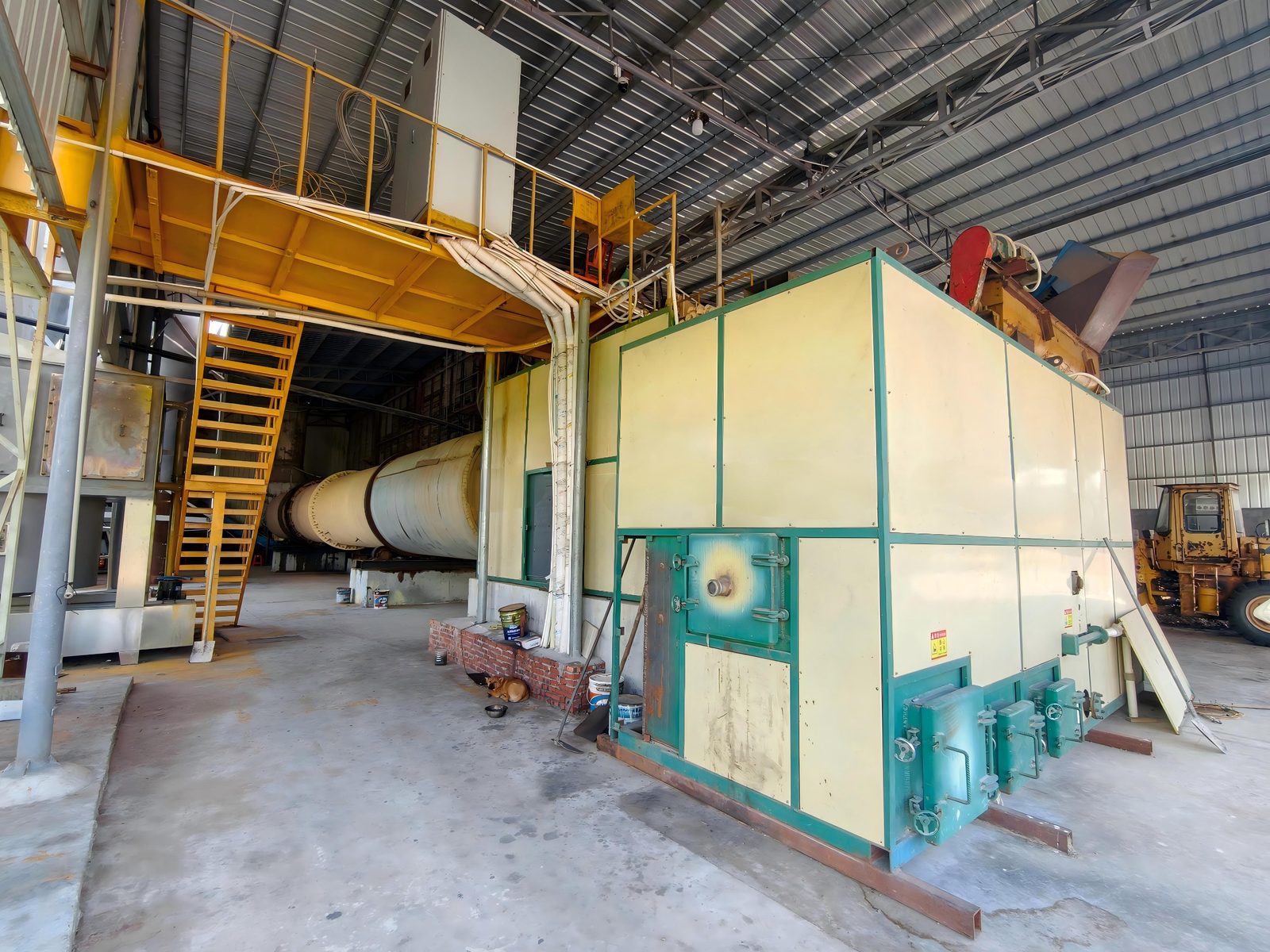
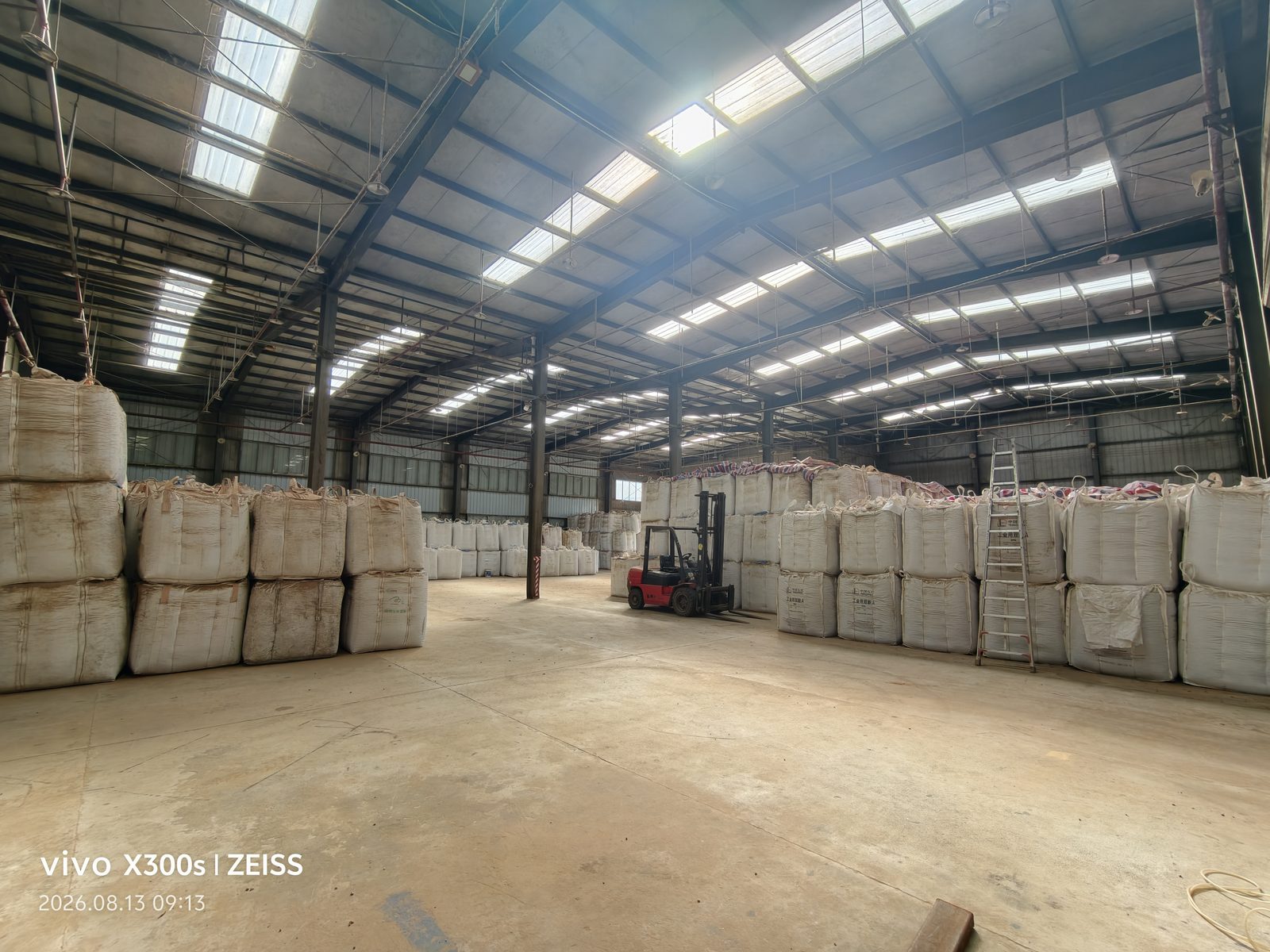
Yinuoda sources from managed artificial economic forests and uses processing and tending residues, not natural forest timber.
Rubberwood and eucalyptus sources in Hainan.
Offcuts and tending by-products are collected.
Material moves through the local wood-processing base.
In-house crushing, drying, and pelletizing.
Dense fuel with controlled quality parameters.
Export support from Yangpu and Haikou ports.
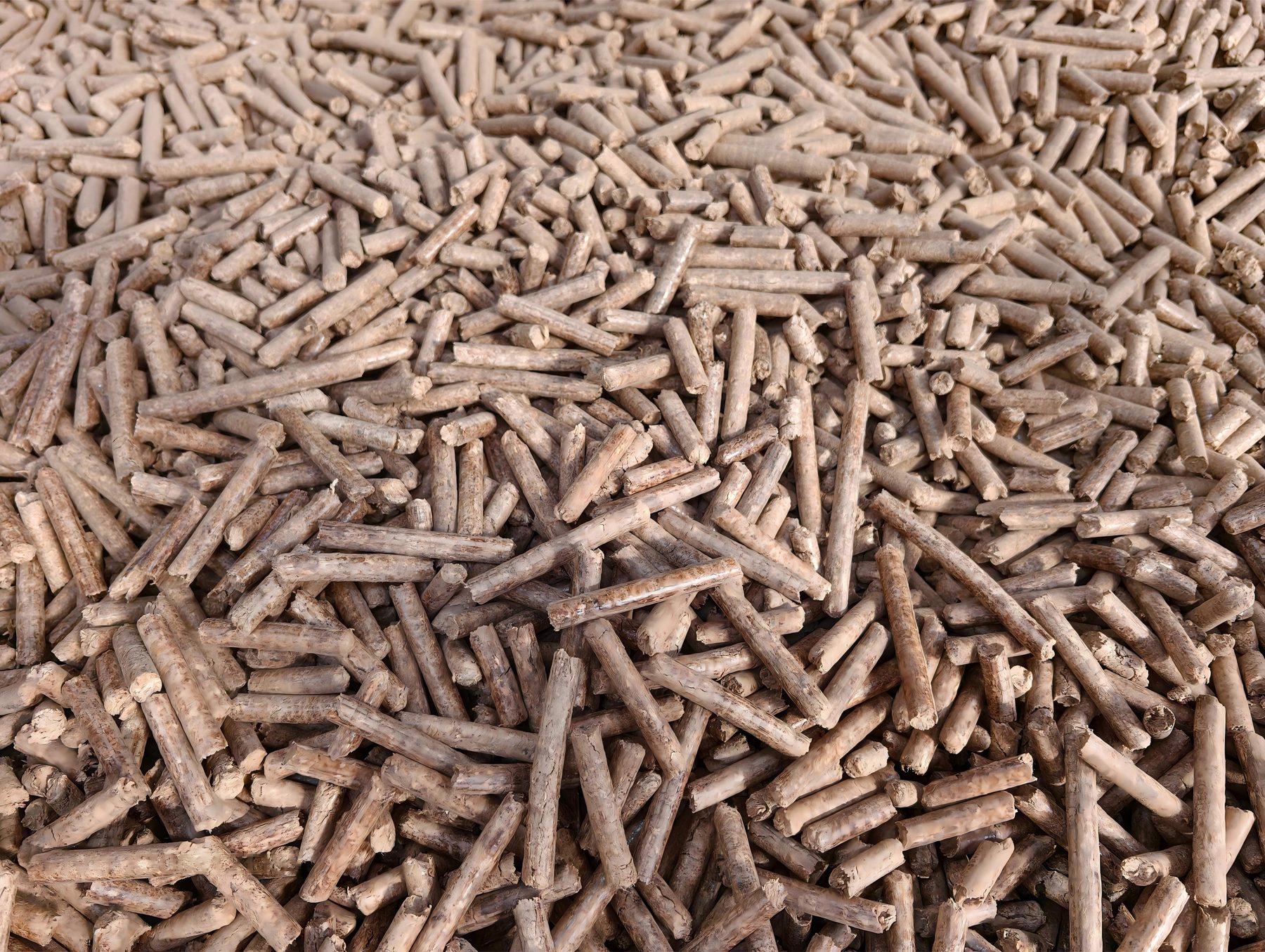
Finished pellets before packaging
Buyers need more than a promise of quality. Yinuoda publishes clear Grade A, B, and C parameters for calorific value, moisture, ash content, and diameter so procurement teams can evaluate the fuel against their boiler requirements.
Short, practical guides for buyers comparing pellets, boiler fuel, ash content, and supplier claims.
Rubberwood pellets combine useful energy density with a feedstock story that many industrial buyers find easier to audit.
Read article
The better fuel depends on boiler design, storage space, and operating discipline. Here is how pellets and chips differ in practice.
Read article
Steam boilers reward consistent fuel. Use this checklist to compare suppliers against the parameters that affect heat output and maintenance.
Read article
Send your target calorific value, ash limit, delivery port, and monthly volume. The export team will respond with a grade recommendation and practical next steps.