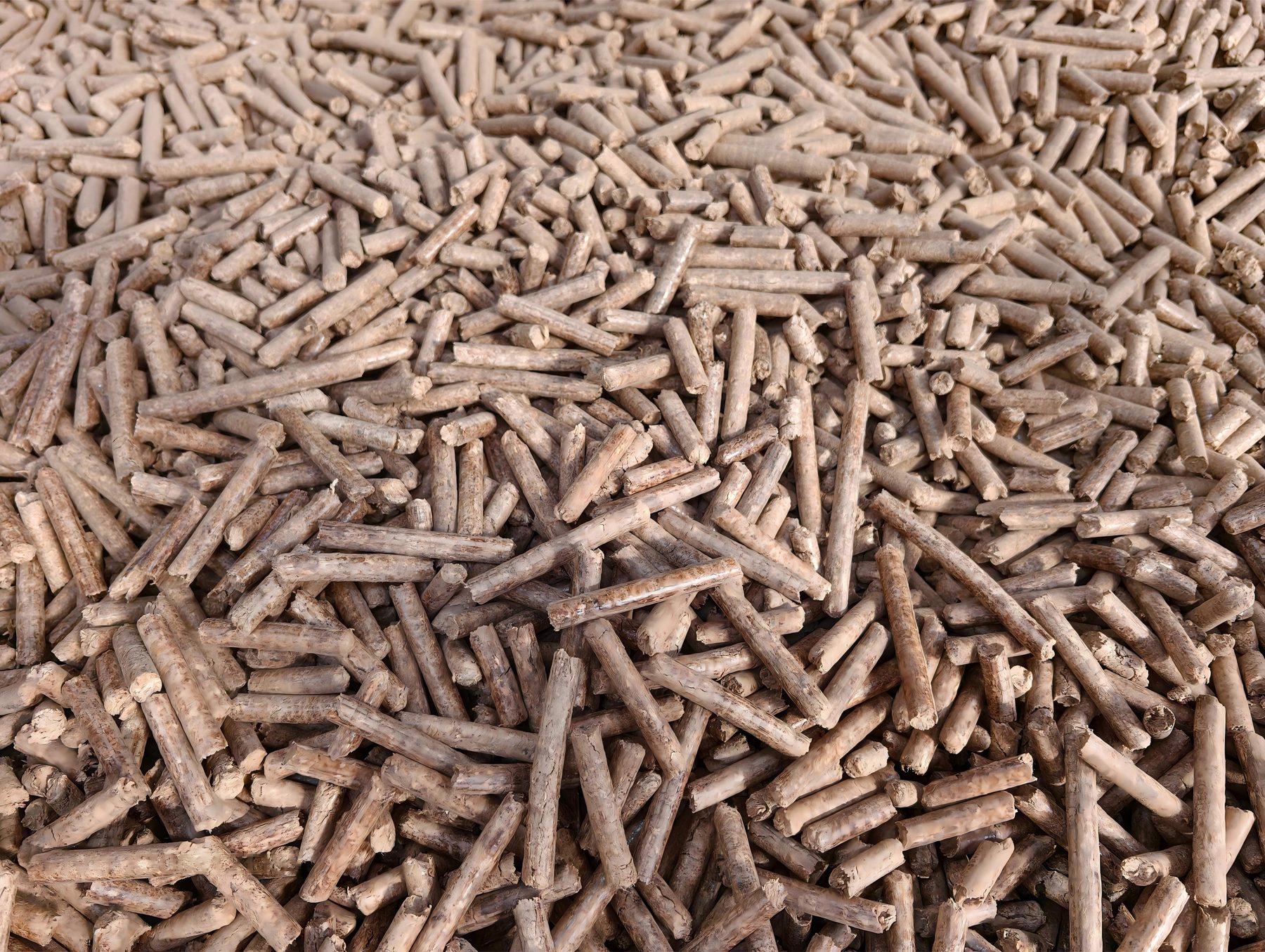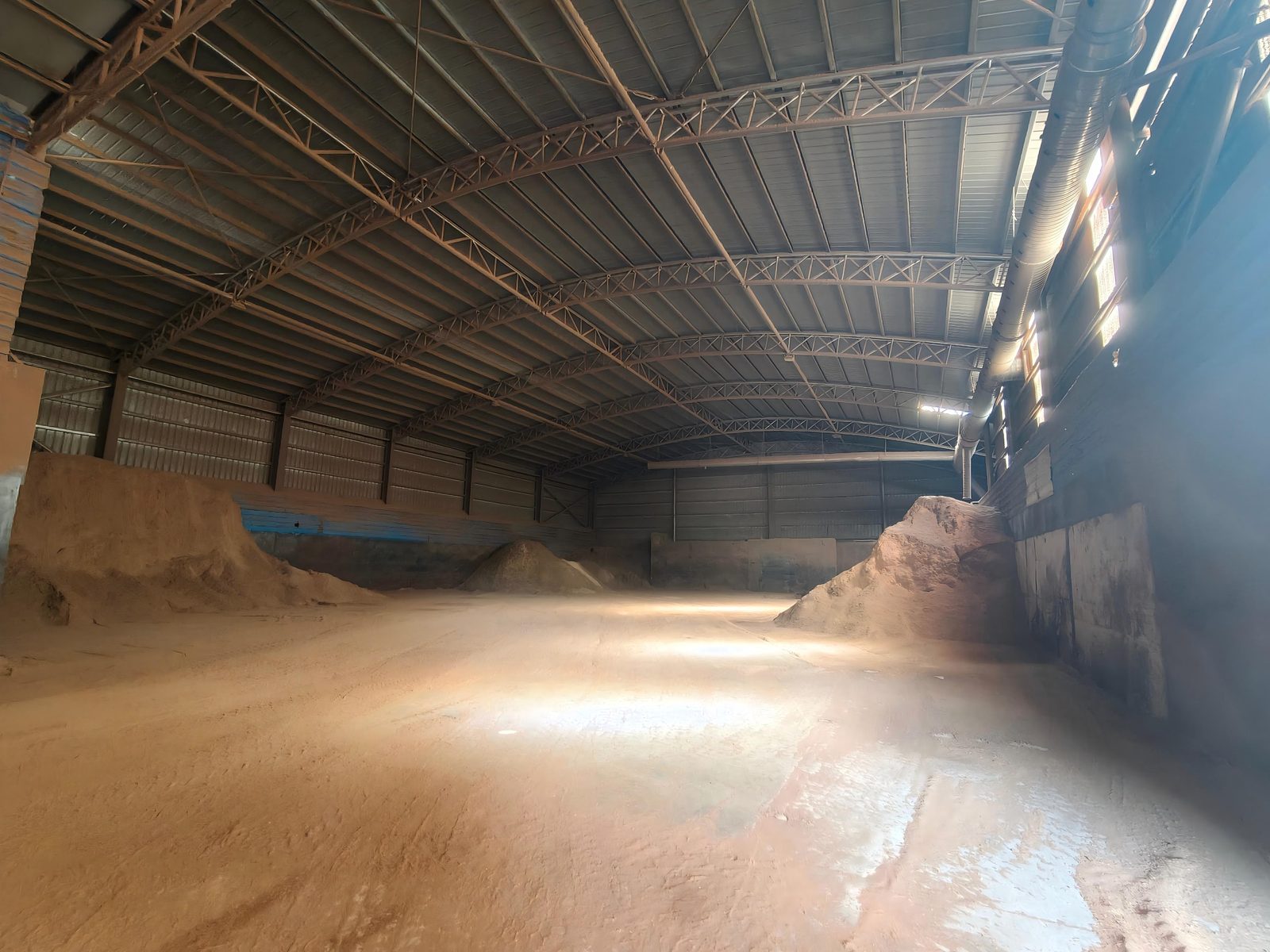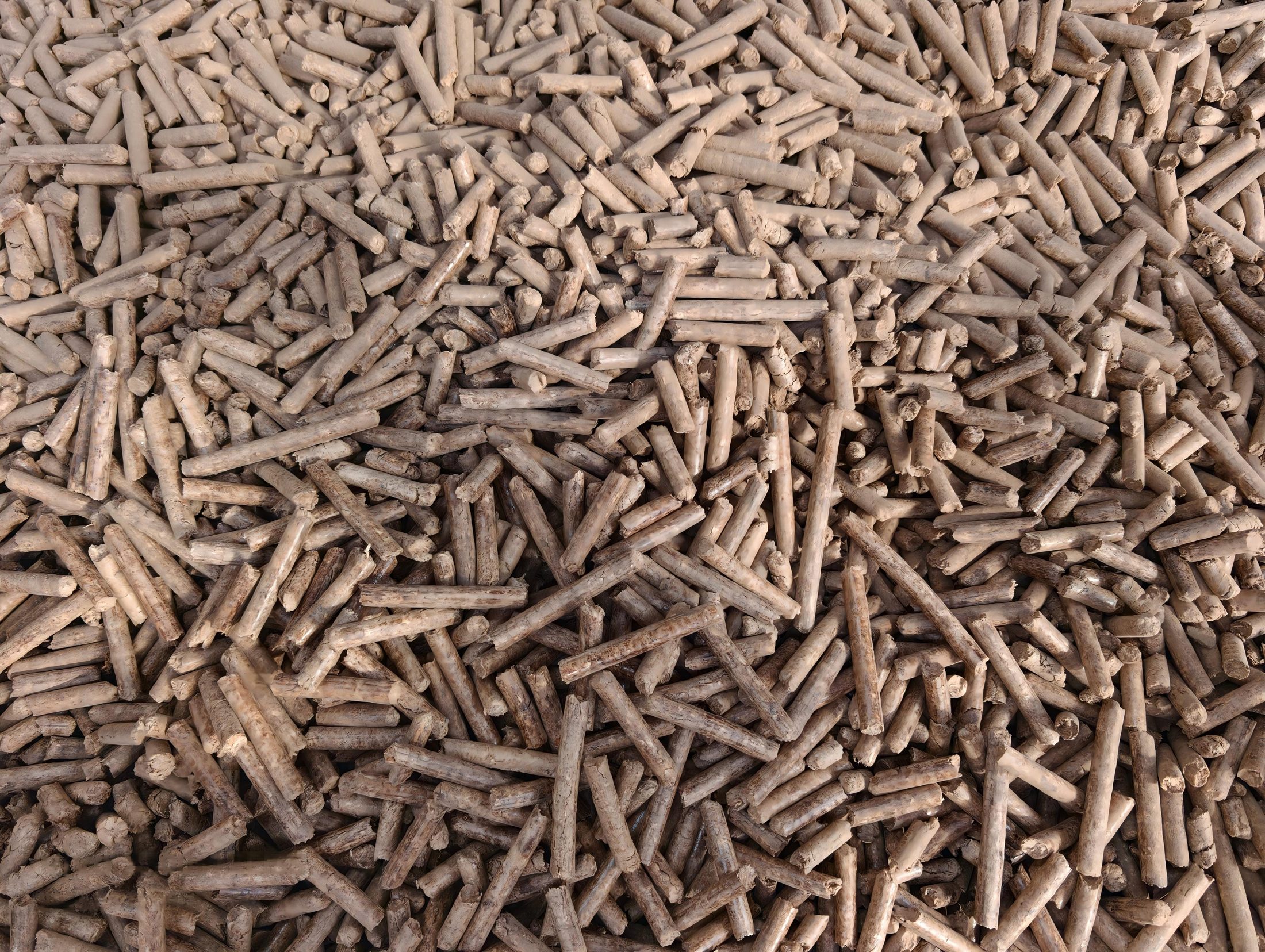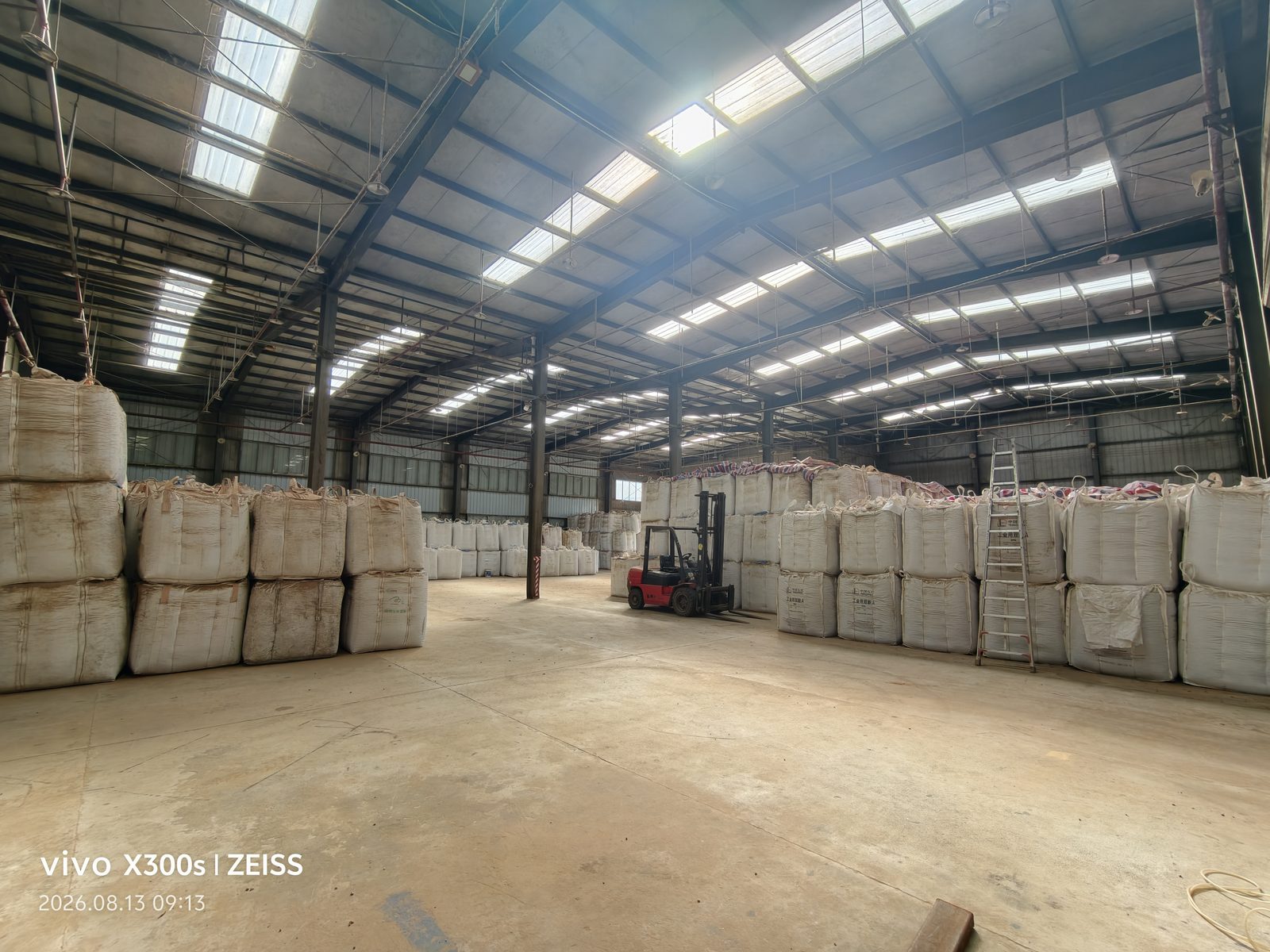
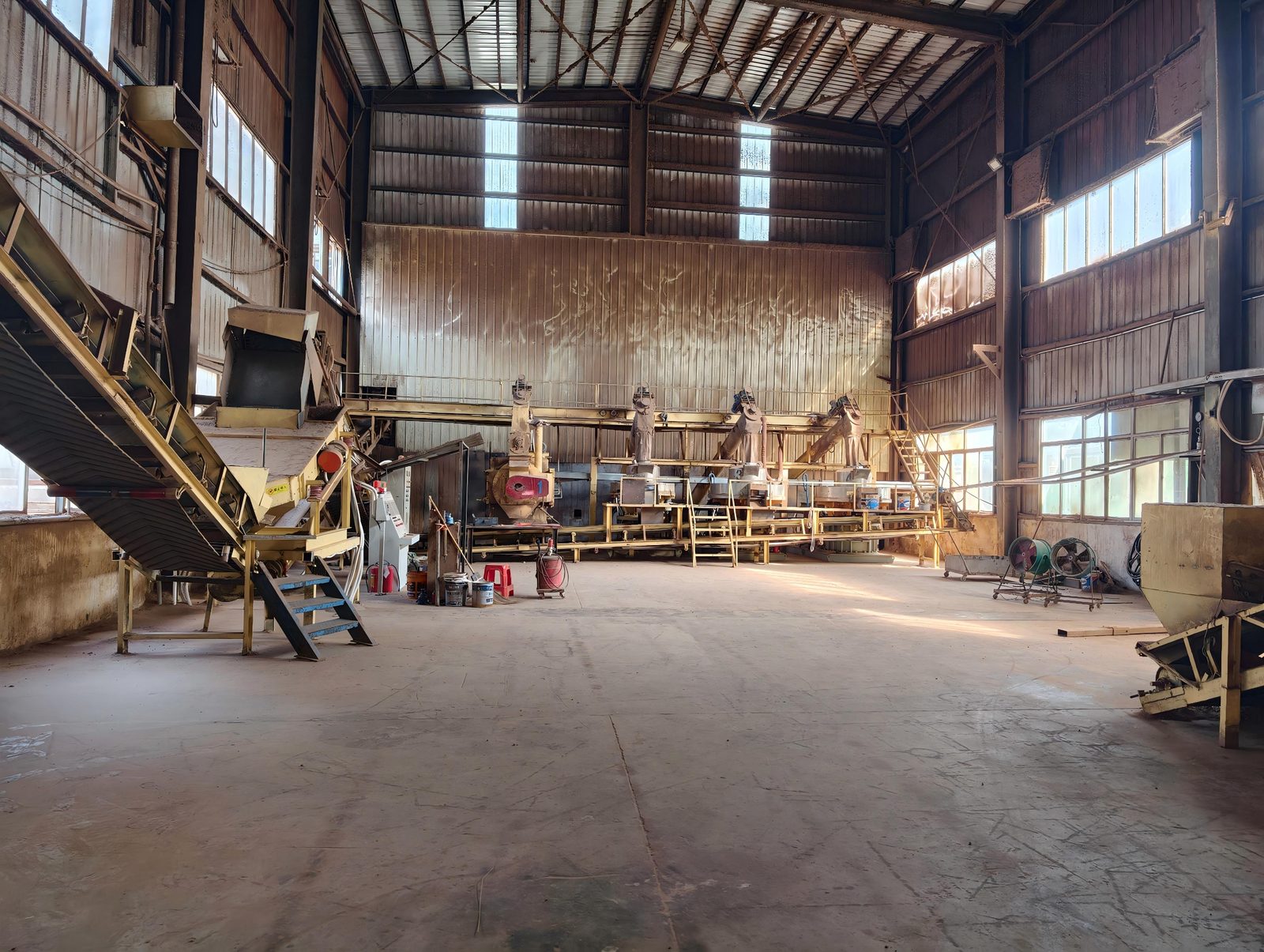
Steam boilers need steady fuel delivery, controlled combustion, and predictable maintenance. A pellet specification that looks good on paper can still cause problems if moisture, diameter, or density vary from shipment to shipment. The practical buying process starts with the boiler and works backward to the fuel.
Start with the operating limits
Confirm the boiler's acceptable calorific value, moisture, ash, and particle-size range. Ask the operator how much heat is needed, how often ash is removed, and whether the feed system is sensitive to fines or oversize pellets.
Check the four fuel parameters
- Calorific value: Higher energy density can reduce the volume of fuel handled, but it must fit the combustion system.
- Moisture: Lower moisture means less energy lost to evaporation and more stable combustion.
- Ash content: Lower ash generally means less cleaning, but the boiler must handle the actual profile supplied.
- Diameter and density: Consistent pellets flow and meter more predictably than mixed or loosely compressed material.
Yinuoda's Grade A rubberwood pellets are published at 18.5 MJ/kg, 4.5% moisture, 1.4% ash, and 8 mm diameter. Grade B offers a more cost-conscious industrial option at 17.07 MJ/kg, 4.3% moisture, and 2.27% ash.
Evaluate the supplier's consistency
A single sample is useful, but it does not prove repeatability. Ask how the supplier controls feedstock, drying, and pellet quality over time. A manufacturer that operates the full process in-house has fewer handoffs and can generally respond more directly when a specification drifts.
Supplier questions
Ask for the specification sheet, accepted tolerances, minimum order quantity, packaging options, and lead time for repeat orders. These answers are as important as the headline calorific value.
Final checklist
Confirm the grade against boiler limits, compare delivered energy cost, define tolerances in the contract, and plan sample testing before a large order. A clear buying specification protects both the boiler and the supply relationship.