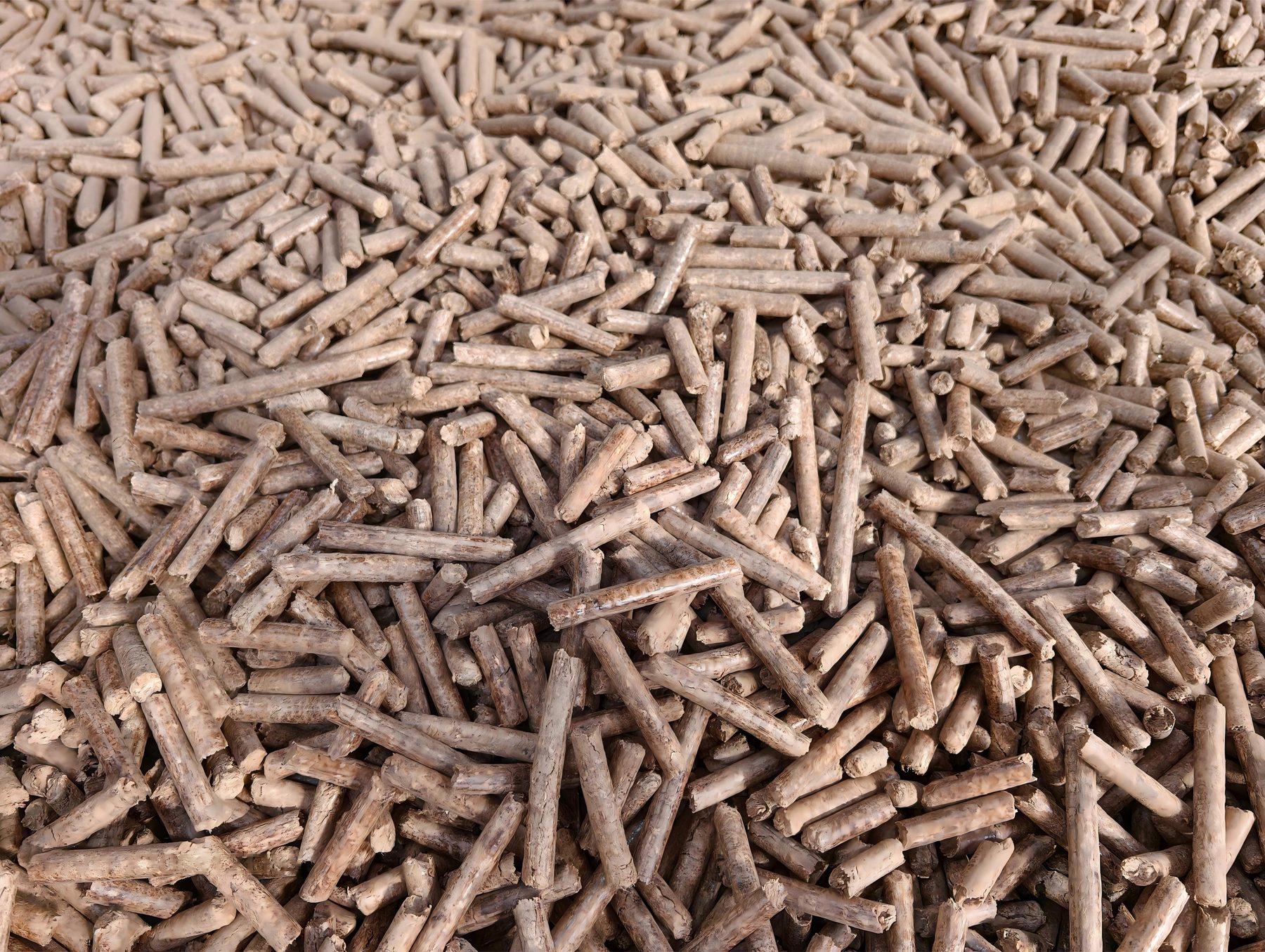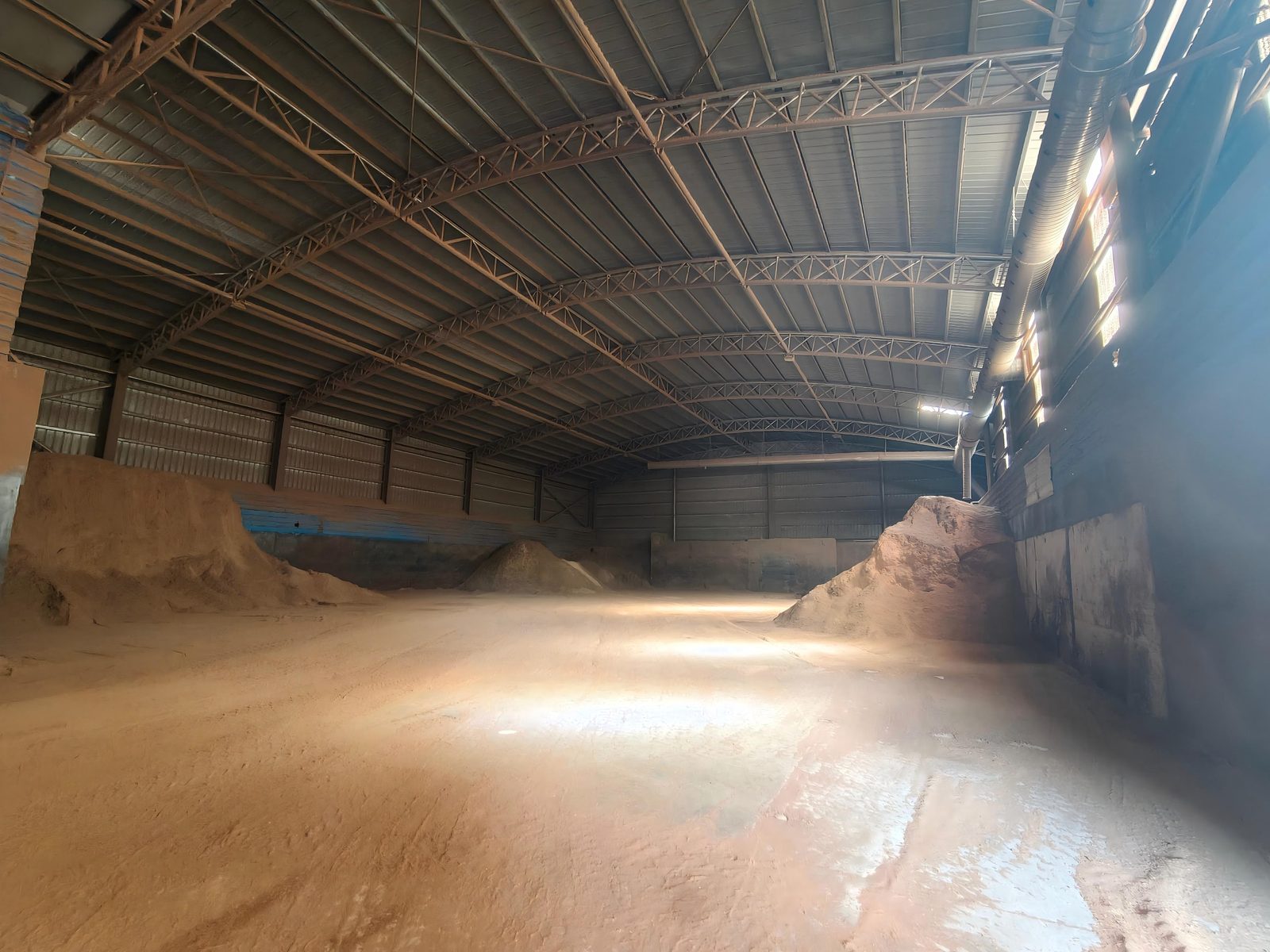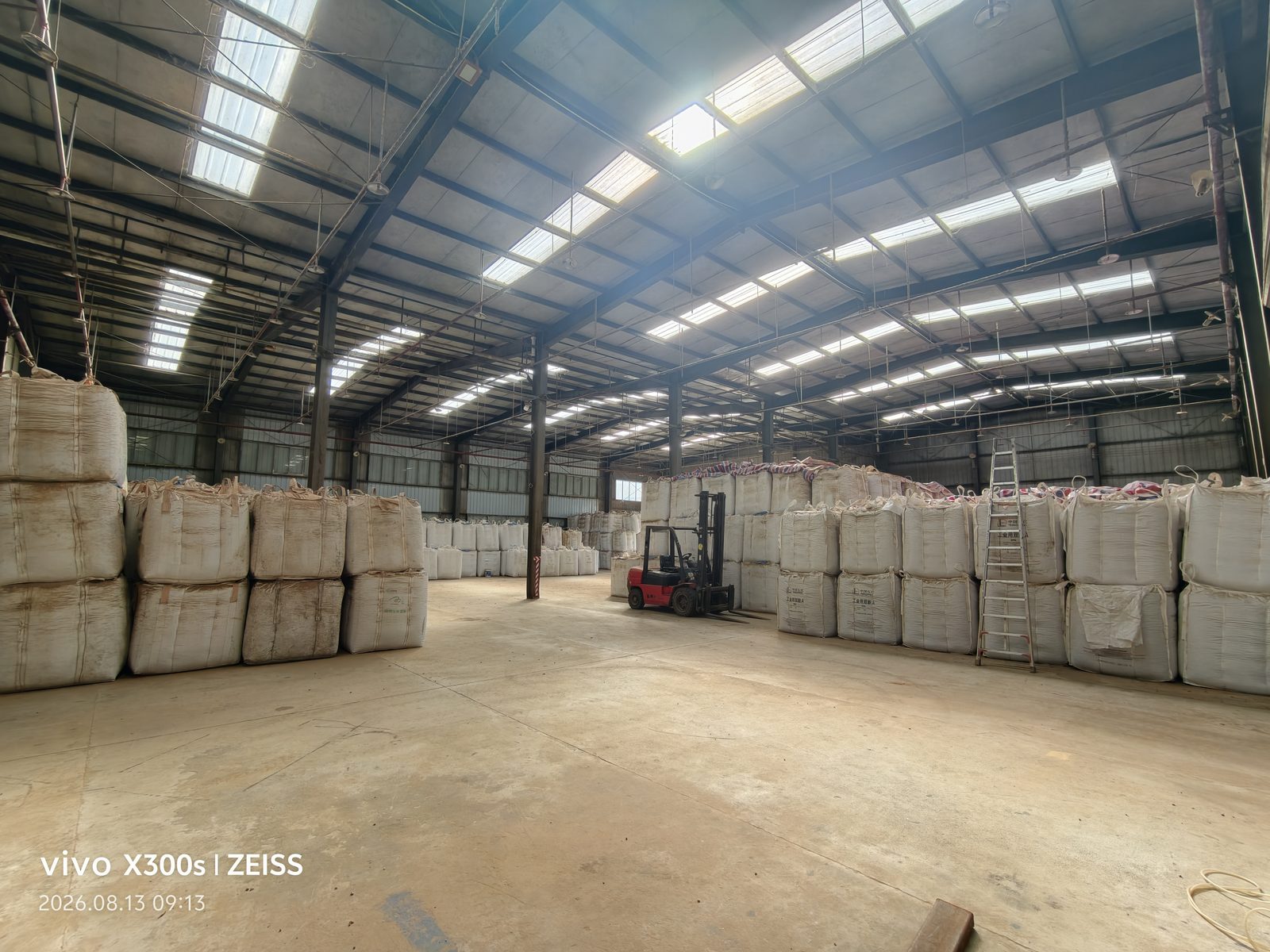
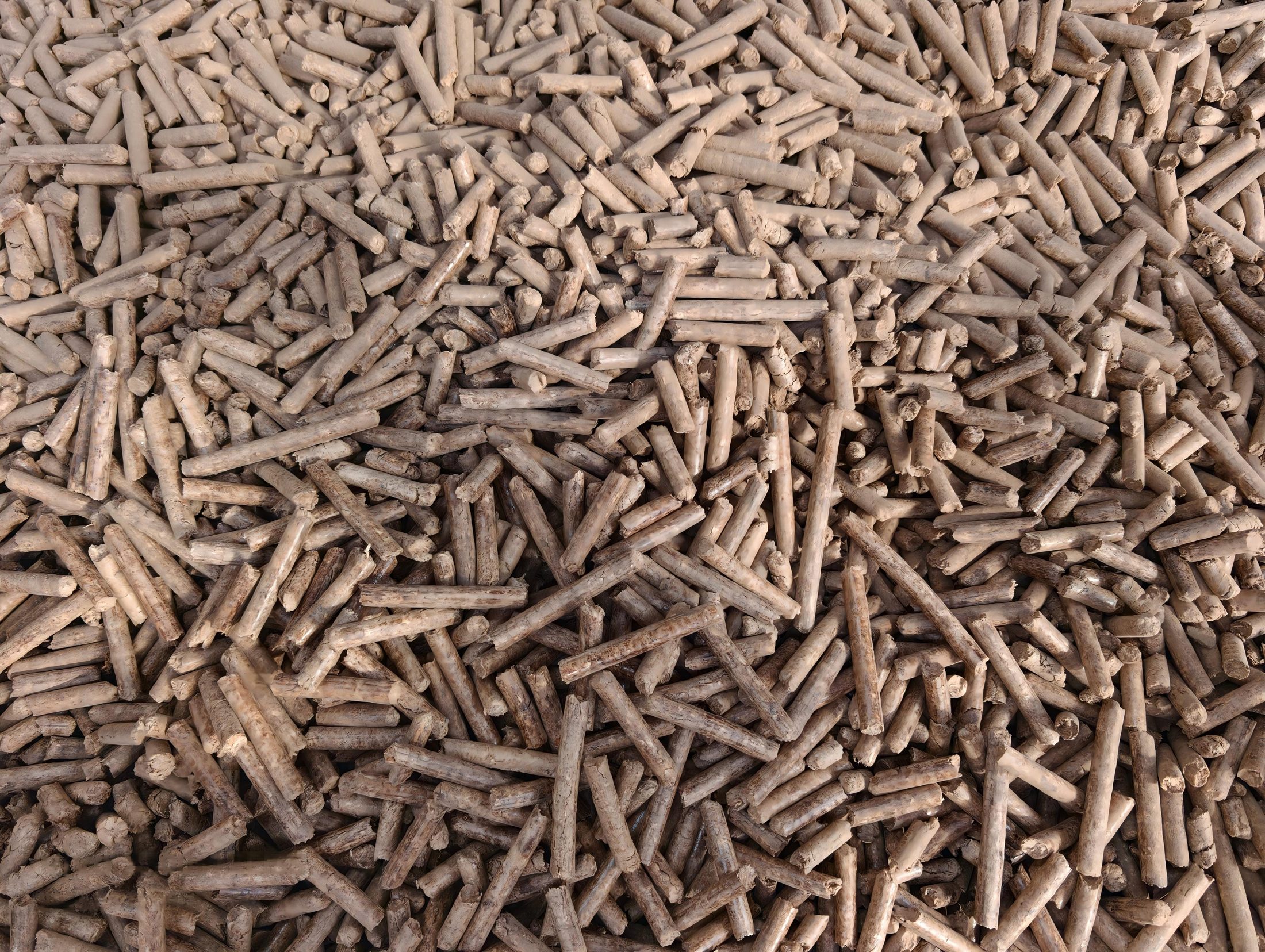
Calorific value is the amount of heat released when a fuel burns, usually expressed in megajoules per kilogram (MJ/kg) for biomass pellets. Buyers naturally focus on this number, but the useful heat delivered to a boiler depends on more than the headline figure.
Wood species and composition
The source wood affects the energy content. Rubberwood is a common high-energy feedstock, while mixtures of eucalyptus, mixed timber, and forestry residues may produce a lower or more variable calorific value depending on the blend and processing.
Yinuoda's grade range illustrates the difference: Grade A rubberwood pellets are published at 18.5 MJ/kg, Grade B industrial pellets at 17.07 MJ/kg, and Grade C mixed-wood pellets at 15.75 MJ/kg.
Moisture is the quiet variable
Water does not burn. When fuel contains moisture, part of the combustion energy is used to evaporate that water instead of producing useful process heat. This is why a "high-energy" feedstock delivered with high moisture can perform worse than a lower-grade feedstock that is properly dried.
When comparing pellets, always evaluate calorific value and moisture together. Grade A is specified at 4.5% moisture and Grade B at 4.3%, while Grade C is published at 8.6%.
Ash dilutes useful energy
Ash is the non-combustible material left after burning. A higher ash fraction means less combustible material per kilogram of fuel and more residue for the operator to handle. Grade A is published at 1.4% ash, Grade B at 2.27%, and Grade C at 5.4%.
Compare the full equation
Think in terms of usable heat per delivered ton: calorific value minus the losses created by moisture and non-combustible ash, adjusted for the boiler's actual efficiency.
Production control matters
A controlled drying and pelletizing process keeps these parameters consistent. The most useful supplier is not the one with the best single sample, but the one that can repeat the specification across production batches and export orders.