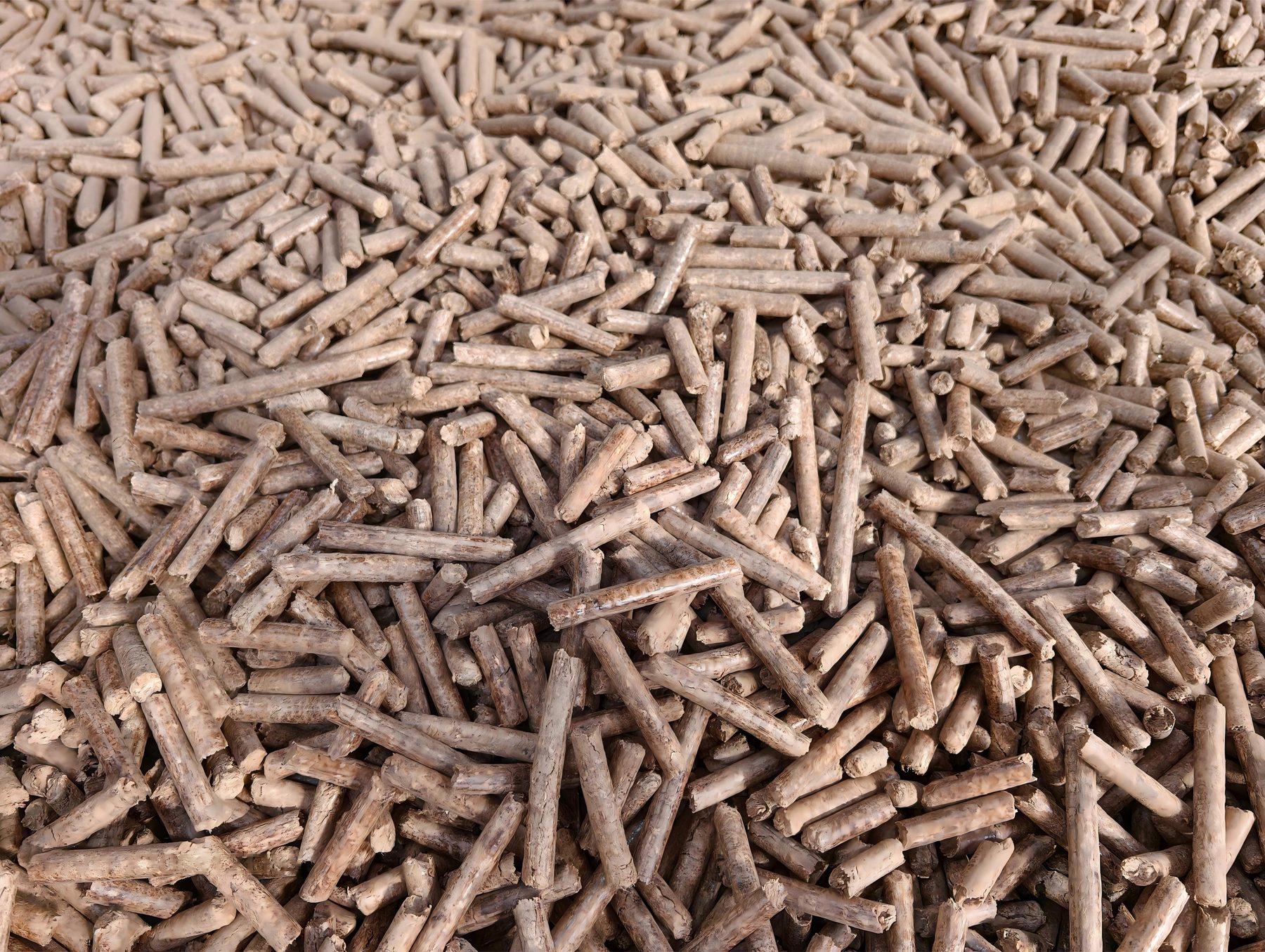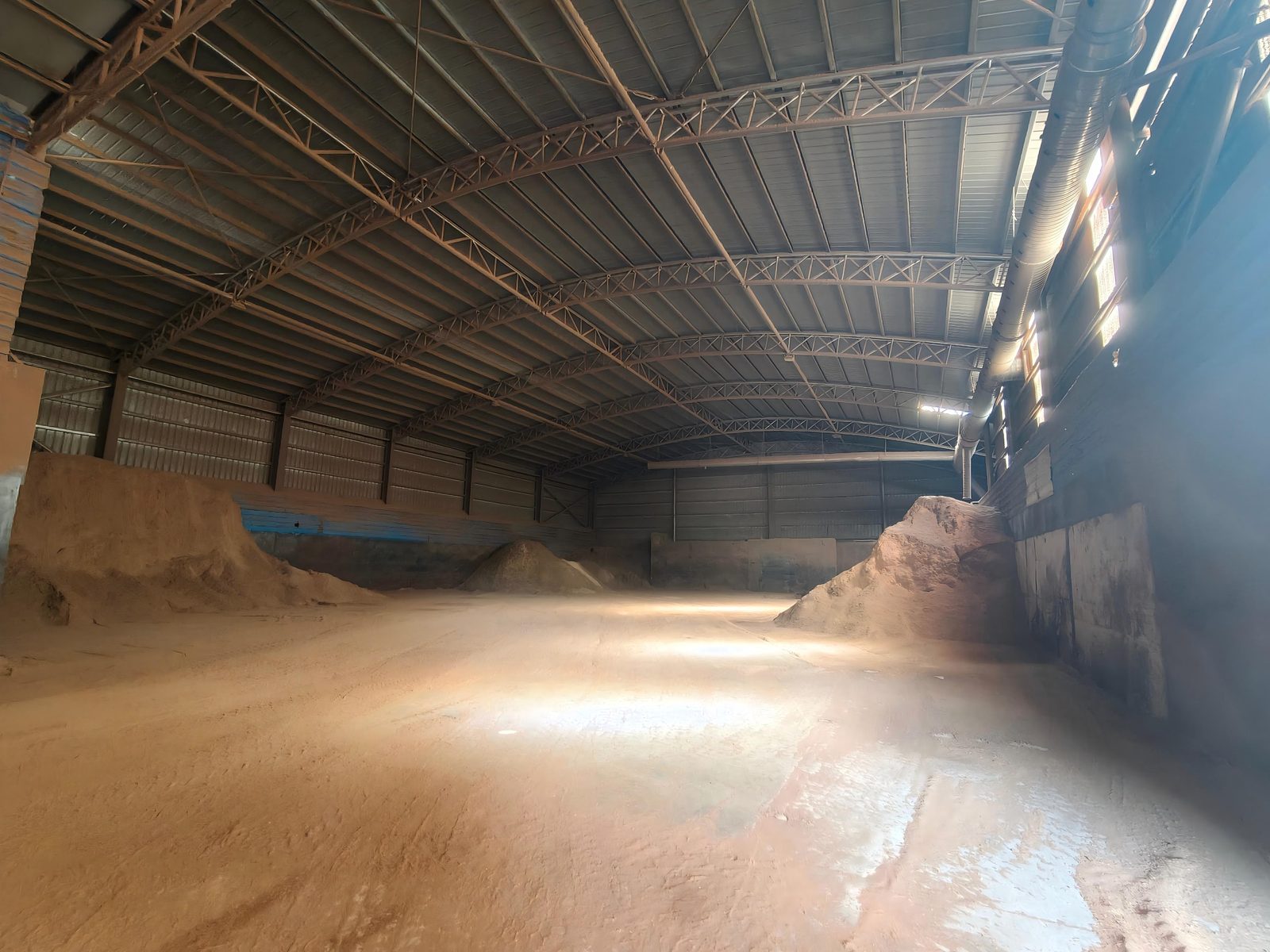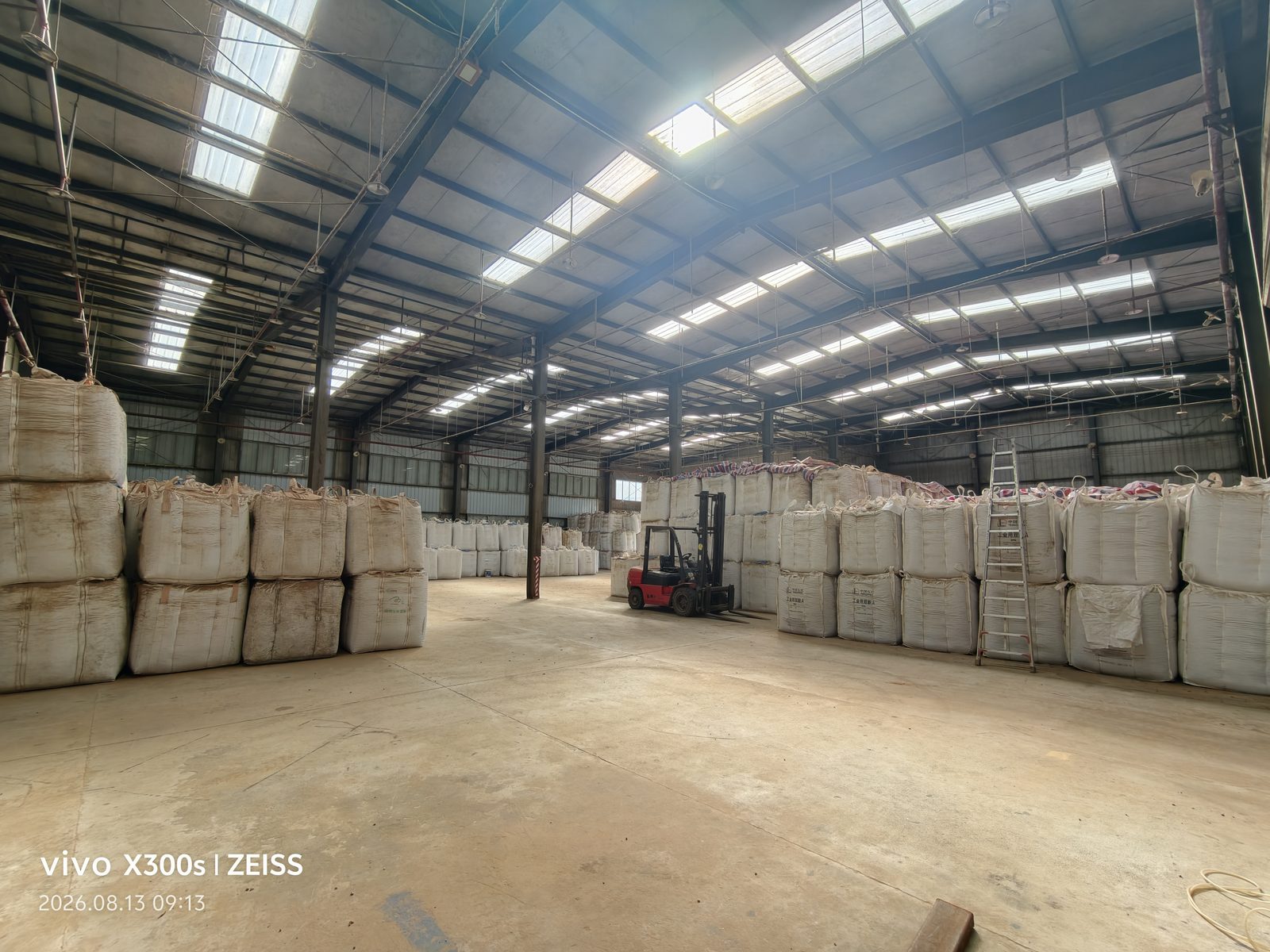
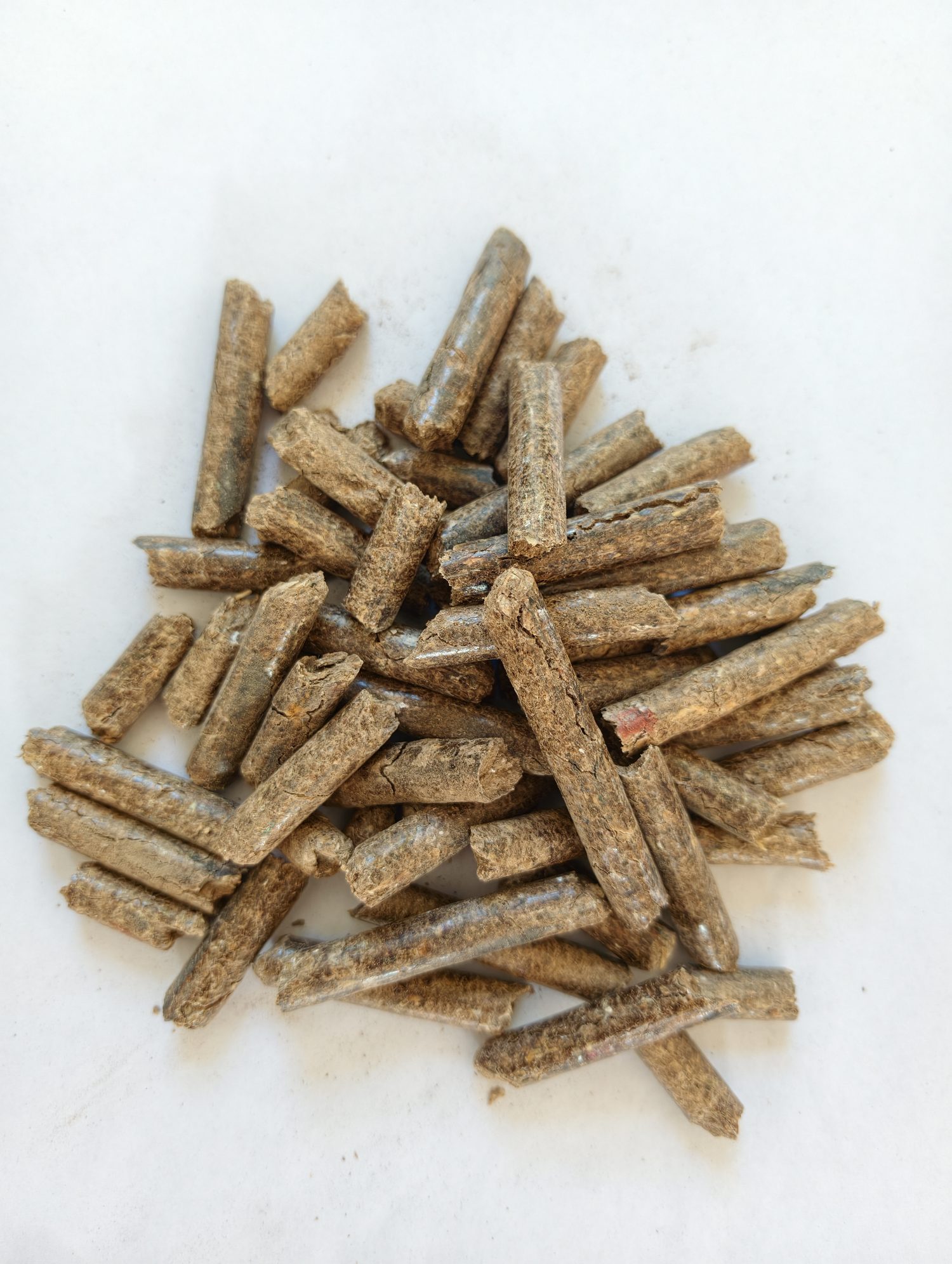
Ash content is the non-combustible material left after biomass pellets burn. It is usually expressed as a percentage of the fuel mass. Ash does not make a pellet "bad" by itself, but it changes the maintenance and handling requirements of the combustion system.
Where ash comes from
Ash comes from minerals naturally present in the wood, along with small amounts of material picked up during harvesting, storage, and processing. Feedstock type and process cleanliness both influence the result. Rubberwood tends to support a lower ash profile, while mixed timber and forestry residues may carry more mineral content.
In Yinuoda's published range, Grade A rubberwood pellets have 1.4% ash, Grade B industrial pellets 2.27%, and Grade C mixed-wood pellets 5.4%.
How ash affects the boiler
Higher ash means more residue after combustion. In an industrial boiler, that can translate into more frequent ash removal, additional wear on certain equipment, and more time spent by operators. It may also influence the design of the ash-handling system and the disposal plan.
Lower ash does not automatically make a fuel the best choice. A high-volume plant with automated ash handling may accept a higher-ash, lower-cost fuel, while a smaller or more maintenance-sensitive system may prefer a cleaner specification.
Match ash to the system
Check what the boiler manufacturer specifies. If the system is designed for a low-ash pellet, buying a high-ash grade to save on the initial fuel price can shift cost into maintenance, downtime, and handling. The delivered cost per useful gigajoule should include those effects.
Quick comparison
Ask for ash, moisture, and calorific value in one table. A fuel with 1.4% ash and 18.5 MJ/kg is a different operating proposition from one with 5.4% ash and 15.75 MJ/kg.
Confirm consistency, not just a sample
One clean sample does not prove that every production batch will stay inside the specification. A factory-controlled process, clear tolerances, and repeatable documentation are what protect the boiler from month-to-month drift.