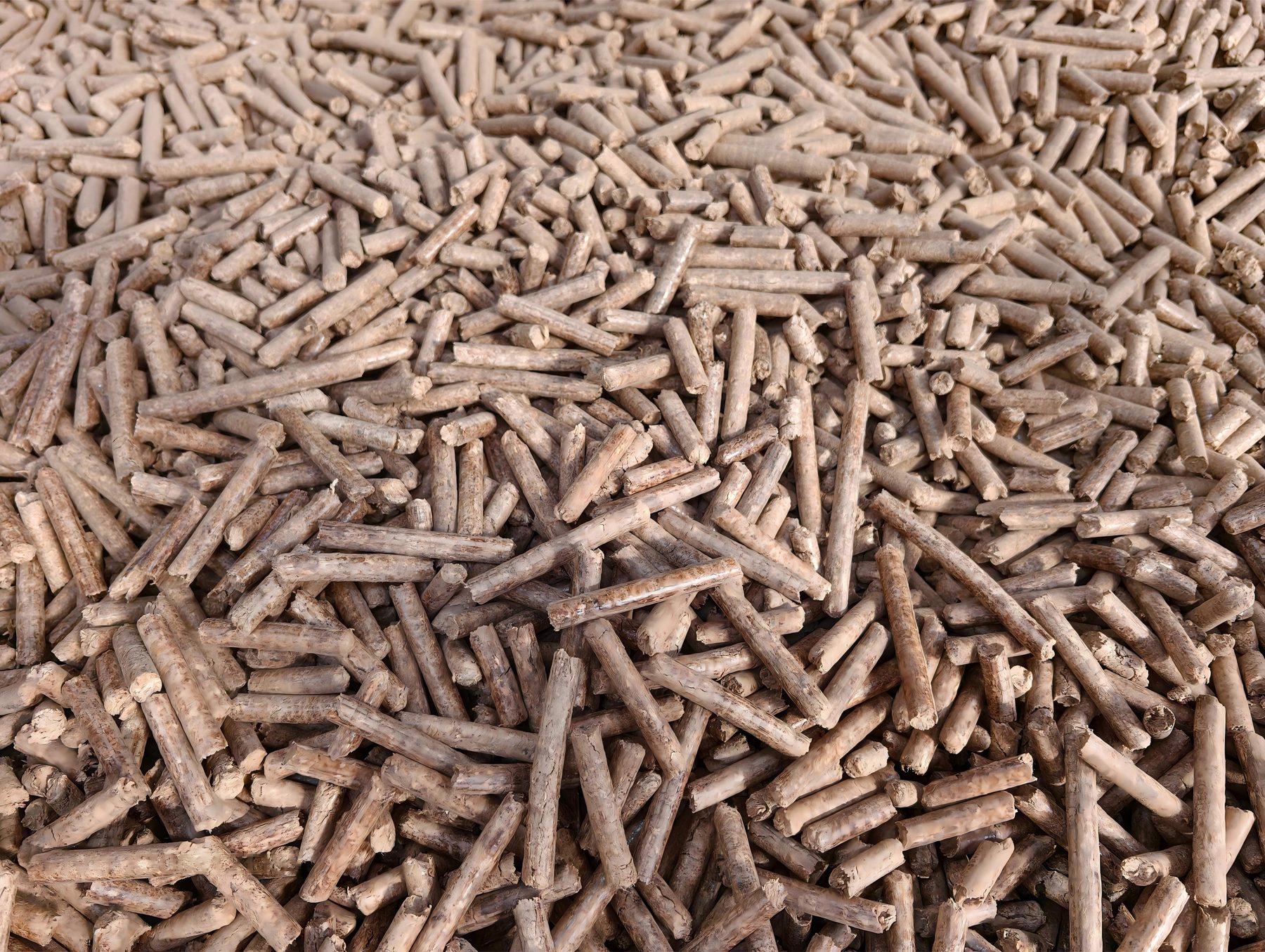
Biomass fuel claims are becoming easier to make and harder to verify. For industrial buyers, the most useful answer is not a slogan about being green, but a clear description of where the feedstock begins and how it reaches the pellet plant.
What plantation forestry residues are
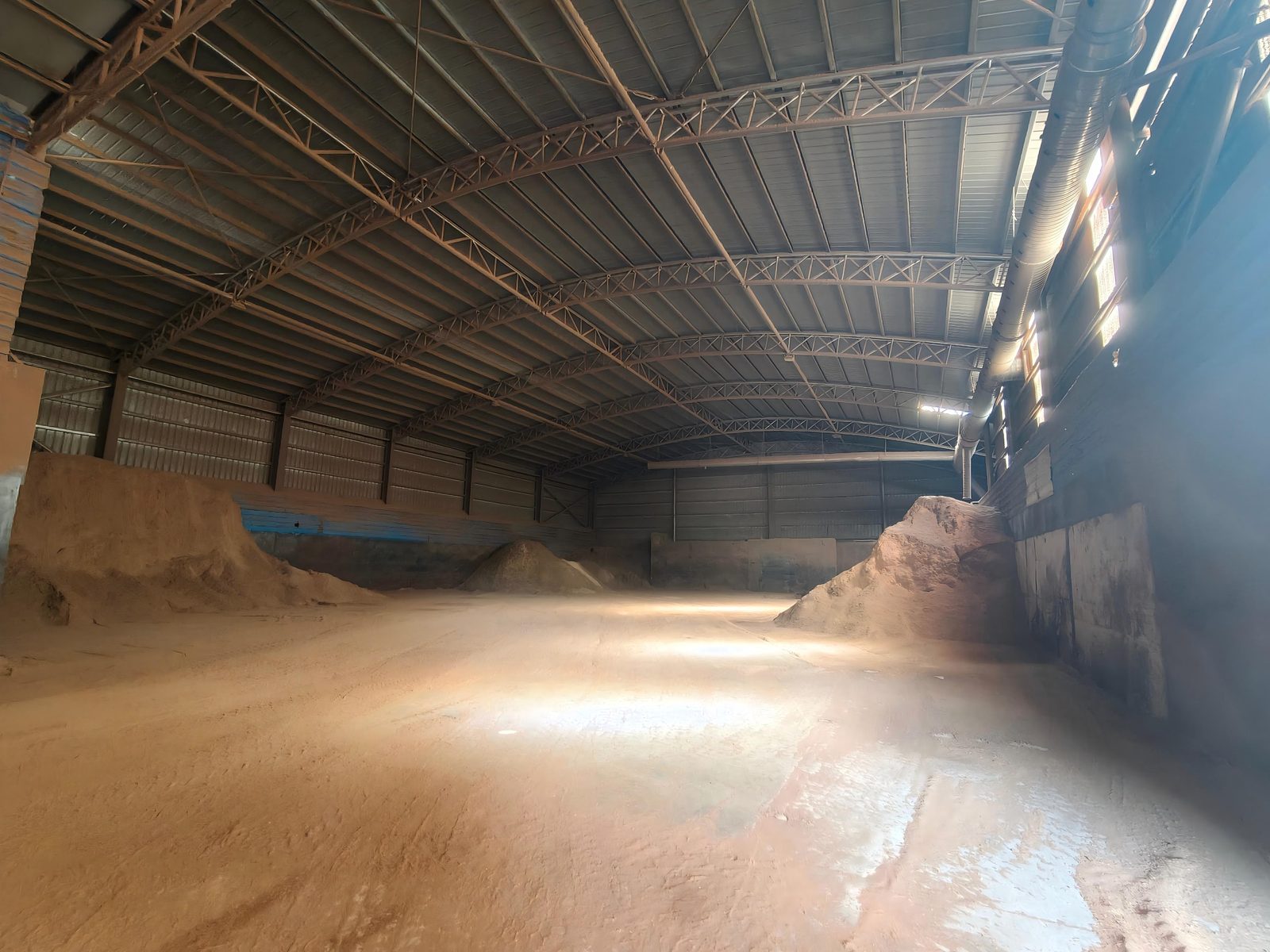
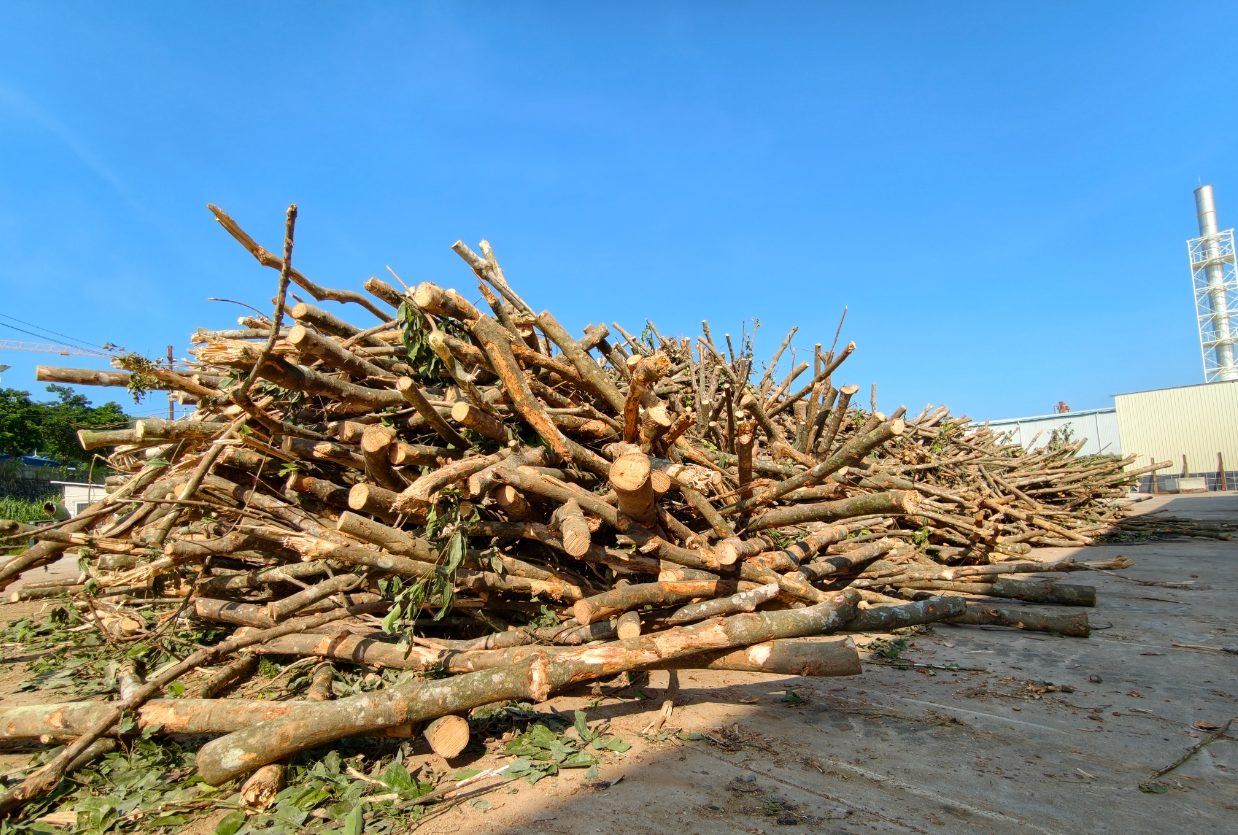
Managed artificial economic forests produce timber for rubber, wood products, and other uses. Processing those trees also creates offcuts, bark, branches, sawmill by-products, and material removed during tending. These residues can be collected and converted into biomass fuel.
Yinuoda sources its feedstock from processing and tending residues of managed economic forests in Hainan, primarily rubberwood, eucalyptus, and other locally sourced timber. The production chain does not involve logging natural forests.
Why the origin distinction matters
Natural forest timber raises different environmental and due-diligence questions from plantation residues. A buyer that needs to document responsible sourcing will usually find a managed-plantation supply chain easier to explain, audit, and support across the procurement process.
The distinction also makes practical sense: processing residues are an existing by-product. Using them for energy is a form of resource recycling that adds value without creating a new logging requirement.
From residue to usable fuel
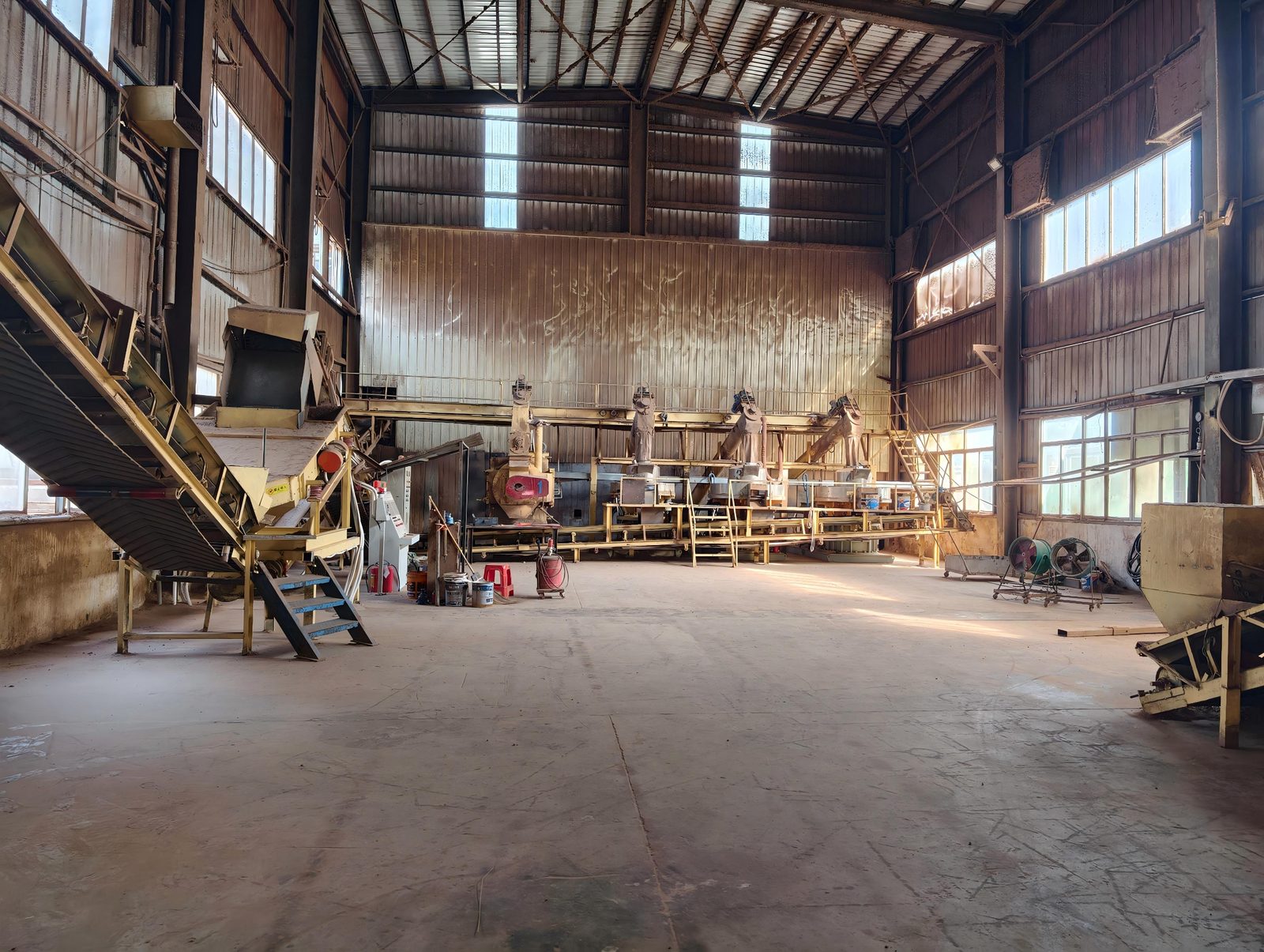
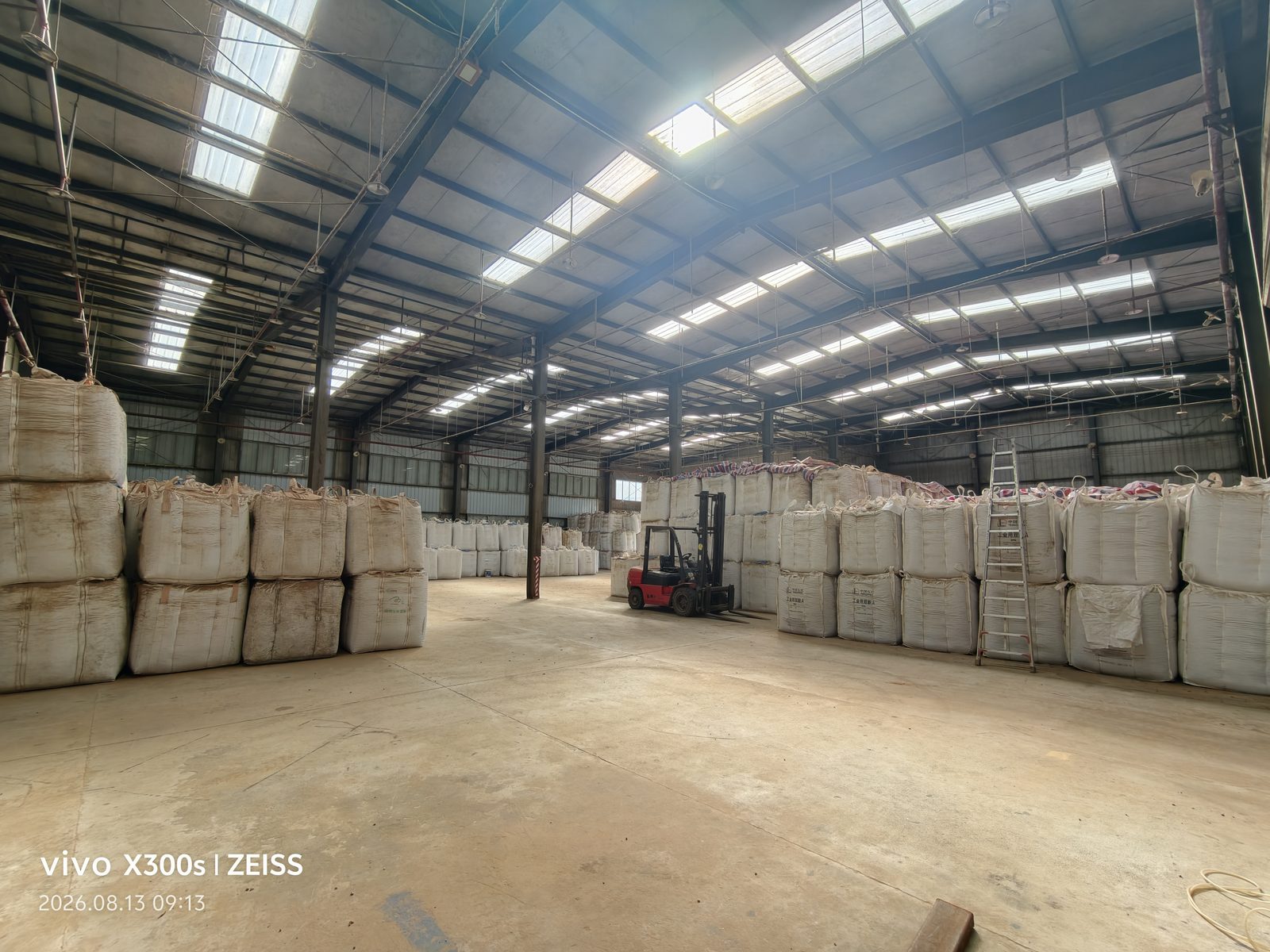
The residue path includes collection from the processing network, delivery to the production facility, crushing, drying, and pelletizing. Each step affects final fuel quality, so a supplier that controls the process in-house can respond more directly when a customer asks about origin or consistency.
Documentation question
Ask the supplier to state the feedstock categories, sourcing region, and whether natural forest timber is excluded. Then ask for the evidence you would show to your own customer or auditor.
Sustainability is a supply-chain story
For a biomass buyer, sustainability is not just the final pellet. It is the managed origin, the use of by-products, the production controls, and the documentation that survives scrutiny. Those details are what turn a commodity purchase into a defensible energy supply decision.